

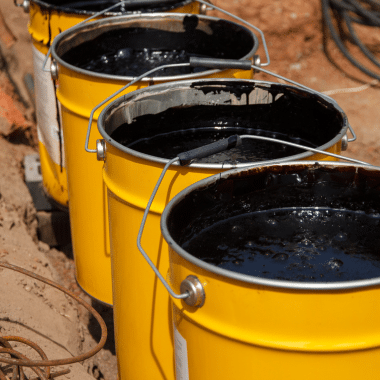
Molasses & Syrup
Molasses Pumping Solutions: Challenges, Equipment, and Industry Applications
Molasses and Syrup in Industrial Applications
Molasses and syrup, both sugar-based products, have diverse applications, ranging from culinary creations to pharmaceutical formulations. However, their high viscosity and tendency to crystallize pose unique challenges for pumping. Specialized equipment is essential to ensure smooth and efficient transfer.
Challenges in Pumping Molasses and Syrup
Handling molasses and syrup presents specific challenges due to their physical properties.
High Viscosity
Because of its thick consistency, molasses requires pumps designed for high-viscosity fluids. Standard pumps often struggle with these substances, leading to inefficiency and potential blockages.
Crystallization Concerns
Molasses and syrup can crystallize under certain conditions, especially when temperatures fluctuate. Crystallization can cause blockages and reduce pump performance. Selecting pumps that can handle and minimize crystallization is essential.
Pro Tip: To pump molasses effectively, choose equipment specifically engineered for thick, sugar-based products.
Equipment for Handling Molasses and Syrup
Specialized pumps, including circumferential piston pumps and rotary lobe pumps, are ideal for handling high-viscosity substances like molasses. Each type offers unique features suited to the complexities of molasses and syrup.
Circumferential Piston Pumps
Benefits: These pumps operate slowly and precisely, which minimizes shear and preserves the molasses’ integrity. They are highly effective at maintaining flow with minimal pulsation, making them popular in the food industry.
Applications: Due to their hygienic design, circumferential piston pumps are frequently used in food production and meet industry standards for food handling.
Rotary Lobe Pumps
Benefits: Known for their effectiveness with viscous fluids, rotary lobe pumps provide smooth, non-pulsating flow. They are designed for thick, temperature-sensitive products like molasses and can handle fluctuations without clogging.
Applications: Rotary lobe pumps are commonly found in pharmaceutical and beverage production, where consistent product quality and gentle handling are essential.
Maintenance Tips for Molasses Pumps
Regular maintenance is essential to keep molasses pumps performing at their best.
Preventing Clogs
Periodically flush pumps with warm water to prevent buildup and crystallization. Routine cleaning keeps components free from blockages.
Seal and Bearing Inspections
High-viscosity fluids like molasses can wear down seals and bearings more quickly. Inspect these parts regularly and replace them as needed to prevent leaks and maintain efficiency.
Using Clean-In-Place (CIP) Systems
For applications where hygiene is crucial, CIP systems allow for automated, thorough cleaning without dismantling the pump.
Pro Tip: Set up a regular maintenance schedule to reduce downtime and extend equipment life.
Energy-Efficient Solutions for Molasses Pumping
Energy efficiency is key for sustainable molasses pumping. There are several ways to optimize pump performance:
Pump Selection Optimization
Choosing a pump designed specifically for high-viscosity fluids enhances energy efficiency. Pumps like rotary lobe or circumferential piston pumps are far more efficient with molasses than standard models.
Temperature Management
Maintaining a steady temperature reduces crystallization risk and ensures smooth, uninterrupted flow, which improves energy efficiency.
Applications of Molasses and Syrup Pumps by Industry
Molasses has unique properties that make it useful across several industries, each with specific pumping requirements to maintain quality and efficiency.
Food & Beverage Industry
Molasses is widely used in baking, sauces, marinades, and beverages. Pumps must meet strict hygiene standards to ensure product safety.
Pharmaceuticals
Molasses is sometimes used to enhance the taste of liquid medications. Hygienic pumps prevent contamination and ensure compliance with industry regulations.
Chemical Industry
In industrial applications that involve high-viscosity fluids, pumps need to be durable and capable of handling challenging substances like molasses with minimal maintenance.
Each industry has unique needs, so selecting the right pump type for molasses applications is essential for both performance and regulatory compliance.
Successful molasses and syrup pumping require solutions designed to handle high viscosity and crystallization challenges. By choosing the right pump, establishing regular maintenance routines, and focusing on energy efficiency, you can ensure reliable, cost-effective, and sustainable handling of molasses across applications. For tailored advice on the best molasses pumps and related services, contact us to learn how we can support your operations.
Frequently Asked Questions (FAQ)
Q1: What type of pump is best for thick molasses?
A: Circumferential piston and rotary lobe pumps are ideal for thick molasses, as they are specifically designed for high-viscosity fluids and offer gentle handling.
Q2: How can I prevent clogging in molasses pumps?
A: Regular cleaning and flushing with warm water can prevent clogging. CIP systems are also effective for hygienic and food-grade applications.
Q3: Do I need specialized pumps for food-grade molasses?
A: Yes, pumps used in food applications must meet hygiene standards, such as rotary lobe or circumferential piston pumps with food-grade certifications.