Comparing Viking Pumps to Other Gear Pumps: What Sets Them Apart

In industrial applications where reliability, efficiency, and precision matter, gear pumps have become a widely trusted solution for handling viscous and corrosive fluids. Among the many manufacturers in this category, Viking Pump stands out as a globally recognised leader with a long history of innovation. But what truly sets Viking pumps apart from other gear pump brands?

This detailed comparison explores Viking’s unique design features, performance advantages, and application strengths, helping industries make informed decisions when selecting the right pumping solution for their process requirements.

Understanding Gear Pumps

Gear pumps are positive displacement pumps that move fluid through the meshing of gears. They excel in applications requiring consistent flow and the ability to handle thick or abrasive liquids. While many gear pumps may look similar in structure, their performance varies significantly depending on design quality, material selection, and engineering precision.

Viking Pump has established itself as a top-tier manufacturer by focusing on durability, reliability, and customisation. This ensures their pumps meet the demanding needs of industries such as oil & gas, food processing, chemical manufacturing, pharmaceuticals, and more.

Why Viking Pump has a Strong Global Reputation

Viking Pump has been in the fluid handling industry for over 100 years, and its longevity is a direct result of continual product refinement and engineering excellence. Unlike standard gear pump manufacturers, Viking offers a wider range of pump designs, including internal gear, external gear, and rotary lobe technologies.

This broad offering allows them to deliver highly specialised solutions tailored to specific industry needs. Their reputation is built on consistent performance, excellent service support, and a deep understanding of pump applications across multiple sectors.

1. Superior Internal Gear Pump Technology

Viking Pump is best known for pioneering internal gear pump technology. This design is particularly effective for handling high-viscosity fluids, slurries, and liquids that require consistent pressure and smooth flow.

What makes Viking’s internal gear technology superior is its simplicity and flexibility. Internal gear pumps have fewer moving parts, which reduces wear and minimises maintenance. This design also allows the pump to operate quietly and efficiently, even under high-demand conditions. As a result, industries benefit from long-term reliability and lower operational costs.

2. Robust Material Options for Harsh Applications

One of Viking’s greatest strengths is its extensive material selection. While many gear pump brands offer pumps in basic iron or stainless-steel options, Viking goes further with materials like hardened alloys, ductile iron, carbon graphite, and speciality metals designed for extreme conditions.

These materials ensure that the pumps can handle corrosive chemicals, abrasive mixtures, and high-temperature fluids without premature wear. For industries that cannot afford downtime, such as chemical processing or petrochemical plants, these advanced material options provide crucial durability and peace of mind.

3. Exceptional Versatility Across Industries

A standout feature of Viking pumps is their ability to serve a wide range of industrial applications. While standard gear pumps might be limited to general purposes, Viking designs pumps specifically engineered for challenging environments and specialised processes.

From chocolate and molasses in the food industry to adhesives, asphalt, fuel oils, and resins in industrial manufacturing, Viking offers pumping solutions tailored to each fluid’s unique characteristics. This versatility allows companies to standardise their pumping systems without compromising performance.

4. Precision Engineering for High Efficiency

Efficiency is a critical factor when comparing gear pumps, and Viking pumps consistently rank high in this area. Their advanced engineering ensures tight tolerances, optimal sealing, and minimal internal leakage. This results in higher volumetric efficiency even when handling viscous or variable-temperature fluids.

By maintaining efficiency under harsh conditions, Viking pumps help reduce energy consumption and operational costs. This long-term performance advantage makes them a preferred choice for facilities looking to improve productivity and reduce waste.

5. Durability and Long Service Life

Compared to many other gear pump brands, Viking pumps are built with longevity as a core focus. Their rugged construction, combined with thoughtful engineering, allows them to perform reliably even under continuous or demanding service conditions.

This long service life helps reduce maintenance frequency and minimises downtime, which is crucial in industries where process interruptions can result in significant financial losses. With proper care, Viking pumps often outlast many competing brands, providing excellent value over their operational lifespan.

6. Easy Maintenance and Serviceability

One of the key advantages of Viking Pump is its user-friendly design that prioritises ease of maintenance. Many of their pump models feature a “back pullout” or “cartridge seal” design, which allows technicians to service internal components without disconnecting the pump from the piping system.

This simplifies routine inspections, seal replacements, and repairs, significantly reducing maintenance downtime. For facilities that operate around the clock, the ability to quickly access and service pumps is a major benefit that translates into improved operational efficiency.

7. Customisation Options for Specialised Needs

While many gear pump manufacturers offer standard catalogue models, Viking goes the extra mile by providing highly customisable solutions tailored to unique process requirements. Their engineering team can modify materials, porting, clearances, and mechanical configurations to match the exact needs of the application.

This customisation is especially valuable in industries with strict fluid-handling standards or unusual operating conditions. By delivering pumps that match precise specifications, Viking helps ensure optimal performance and reliability for specialised applications.

8. Advanced Sealing Technologies for Leak Prevention

Leak control is a major consideration in pump selection, especially for hazardous or valuable fluids. Viking Pump offers advanced sealing solutions such as mechanical seals, packed glands, and mag-drive options designed to eliminate leakage risks.

These sealing configurations ensure environmental compliance, operator safety, and product integrity. For industries handling chemicals, flammable liquids, or high-value materials, Viking’s sealing technology provides critical peace of mind that many standard pumps cannot match.

9. Strong Global Distribution and Support Network

Another major factor that sets Viking apart from other gear pump brands is its extensive global support network. This includes authorised distributors, service centres, and trained technicians available to provide on-site assistance.

For industries operating worldwide, having reliable access to parts and support ensures minimal downtime and helps maintain consistent performance across multiple locations. Viking’s commitment to customer service enhances its reputation as a dependable pumping partner.

Key Differences Between Viking Pumps and Standard Gear Pumps

While standard gear pumps deliver consistent flow, they often lack the engineering refinements needed for heavy-duty industrial applications. Viking Pumps, on the other hand, are built with tighter tolerances, advanced materials, and more robust internal components, allowing them to handle higher viscosities and more demanding service conditions.

Key differences include:

– Higher durability due to advanced metallurgy and stronger internal components
– Better ability to handle thick, abrasive, or temperature-sensitive fluids
– Reduced internal slip, resulting in more accurate and consistent flow
– Lower maintenance needs due to superior engineering and design

Another major distinction is the range of solutions offered. Whereas many gear pump manufacturers have limited models, Viking provides multiple series designed for specific fluids, temperatures, and pressures. This application-focused design ensures users get a pump that perfectly matches their process requirements, reducing the risk of wear, downtime, or inefficiencies commonly seen in standard or generic gear pumps.

Viking Pump vs. Conventional Gear Pump

Performance is one of the biggest factors that separates Viking pumps from conventional gear pumps. Viking pumps maintain consistent efficiency even when pumping thick, abrasive, or temperature-sensitive fluids in conditions where standard gear pumps often struggle. Their internal clearances and optimised geometry help reduce internal slip, ensuring better volumetric efficiency across a wide range of viscosities.

Standard gear pumps may also lose performance over time due to wear, especially when used in demanding environments. Viking pumps overcome this with advanced metallurgy and durable construction that prolongs service life and maintains performance stability.

Why Viking Pumps Lead the Gear Pump Market

When comparing Viking pumps to other gear pump brands, it becomes clear that Viking excels in almost every critical category, from engineering quality and material selection to efficiency and long-term durability. Their innovative internal gear technology, broad material options, and exceptional versatility give them a competitive edge in demanding industrial environments.

For companies seeking high-performance, long-lasting, and service-friendly pumps, Viking Pump stands as one of the most reliable choices on the market. With strong global support and unmatched customisation options, Viking truly sets the benchmark for excellence in gear pump technology.

For any query related to the Viking pumps or gear pumps, contact us here

– Alert Building, IDA Business Park, Southern Cross Road, Bray, Co.Wicklow, A98 NY65, Ireland
– +353 1 2750801
– +353 (0) 87 130 1029
– info@thomsonprocess.ie

The Routine Maintenance Tips to Keep Your Slurry Pump Performing Like New

Slurry pumps are essential for handling abrasive mixtures in industries like mining, construction, wastewater management, and manufacturing. Because they work in such demanding environments, regular maintenance is the key to ensuring long service life and consistent performance. 

Without proper care, slurry pumps are prone to wear, efficiency loss, leaks, and costly breakdowns. By following routine maintenance practices, businesses can minimise downtime, improve reliability, and protect their investment. Below is a complete guide on how to keep your slurry pump performing like new.

1. Understand How Slurry Pumps Operate in Harsh Conditions

Slurry pumps are designed to move mixtures containing solid particles, which makes them more vulnerable to erosion and corrosion compared to clean-water pumps. Components such as impellers, liners, and casings face continuous friction from abrasive materials. Understanding these stress factors helps in identifying the most effective maintenance schedule. When operators are aware of how the pump interacts with the slurry, they can spot early signs of wear much faster.

Additionally, knowing the pump’s operating limitations ensures that the equipment is never pushed beyond safe working ranges. Running a slurry pump under improper conditions can significantly accelerate wear and reduce efficiency. A solid understanding of pump behaviour is the starting point for creating a strong maintenance routine.

2. Conduct Regular Visual Inspections

Visual inspections are one of the simplest yet most important maintenance practices. Regular checks help detect early wear, cracks, leaks, and misalignments before they become major issues. Operators should inspect external surfaces, seals, mounting points, and pipe connections to ensure everything is in proper working order. Catching faults early can save thousands in repair costs and prevent unexpected downtime.

During inspections, special attention should be given to the discharge and suction areas. These points tend to experience the highest levels of abrasion and can deteriorate quickly if not monitored. Keeping detailed notes and comparing inspection results over time helps create a clear picture of wear patterns and performance trends.

3. Monitor Wear Parts and Replace Them on Time

Slurry pumps operate under extremely abrasive conditions, which means wear parts such as impellers, liners, and casings deteriorate faster than in standard pumping systems. Keeping a close watch on these components is essential for maintaining pumping efficiency and preventing sudden breakdowns.

Key wear parts to monitor include:

– Impellers: Check for thinning, cracking, or uneven edges from abrasion.
– Pump Liners: Look for deep grooves, erosion, or soft spots that reduce hydraulic performance.
– Casings: Inspect for internal wear that compromises structural integrity.
– Shaft Sleeves: Examine for scoring or corrosion that may lead to leakage and seal issues.

4. Keep the Pump Clean and Free from Blockages

Slurry pumps are constantly exposed to viscous, particle-heavy materials that can easily build up within the pump body, piping, or impeller passages. If not cleaned regularly, this buildup restricts flow, increases pressure on components, and leads to misalignment or overheating. Routine cleaning helps maintain smooth operation and extends the lifespan of critical parts. It also reduces energy consumption, as the pump does not have to work harder to move obstructed slurry flow.

Important cleaning practices include:

– Flushing the pump after use to remove accumulated solids and prevent hard blockages.
– Checking suction and discharge lines to ensure there are no material deposits affecting the flow rate.
– Removing impeller covers periodically to clean internal passages thoroughly.
– Inspecting strainers or screens for trapped debris that could disrupt performance.

5. Lubricate Bearings and Moving Parts Properly

Proper lubrication is one of the most crucial elements in extending the lifespan of your slurry pump’s mechanical components. Bearings and rotating parts endure high levels of stress and friction, especially when operating with dense, abrasive slurries. Without adequate lubrication, these parts can overheat, seize, or wear out prematurely, leading to unexpected failures and expensive repairs. Consistent lubrication reduces friction, stabilises temperatures, and enhances overall performance.

Lubrication best practices:

– Use manufacturer-recommended lubricants to ensure optimal compatibility and protection.
– Follow lubrication schedules based on operating hours and environmental exposure.
– Check for signs of over-lubrication or contamination, which can be just as damaging as insufficient lubrication.
– Inspect seals to ensure lubricants stay contained and contaminants do not enter the bearing housing.

6. Check the Alignment of the Pump and Motor

Proper alignment between the pump and motor is essential for smooth and reliable operation. Misalignment can cause excessive vibration, uneven wear, overheating, and premature failure of bearings or couplings.

Even small shifts in alignment can significantly affect performance, especially in slurry pumps that already operate under heavy loads. Regular alignment checks help maintain mechanical efficiency, reduce vibration, and minimise maintenance costs over time.

Alignment essentials:

– Inspect coupling alignment using precision tools rather than manual estimation.
– Check for soft foot conditions that may cause uneven mounting surfaces.
– Re-align the pump and motor after any major maintenance, relocation, or vibration incident.
– Confirm base stability to ensure shifting does not occur during operation.

7. Monitor Pump Vibration and Noise Levels

Increases in vibration or unusual noise are often early signs of mechanical problems. This may include bearing wear, impeller imbalance, or cavitation. Monitoring vibration levels allows technicians to detect issues before they escalate. Consistent vibration analysis helps identify patterns and provides valuable insight into the health of the pump.

Noise changes can also indicate internal blockages or flow disruptions. Listening for grinding, rattling, or high-pitch sounds helps identify potential damage early. Keeping a record of vibration and noise trends ensures that operators understand what normal performance looks like.

8. Inspect and Maintain Seals and Gland Packing

Seals and packing are essential for preventing leaks and protecting internal components from slurry infiltration. Over time, these parts degrade or lose effectiveness, allowing abrasive particles to enter the pump housing. Maintaining seals ensures smooth operation and protects against pressure loss or contamination.

Routine seal inspection helps detect cracks, swelling, or hardening that could compromise performance. Replacing seals or re-packing glands before they completely fail prevents damage to the shaft and bearings. Choosing seal materials suitable for the type of slurry being pumped enhances durability and reliability.

9. Maintain Correct Operating Conditions

Slurry pumps perform best when operating parameters remain within recommended ranges. Factors such as flow rate, pressure, speed, and slurry viscosity directly influence pump health. Operating the pump outside these limits can cause overheating, cavitation, and excessive wear. Monitoring these conditions helps stabilise performance and prolong equipment life.

Operators should also ensure there is a consistent supply of slurry into the pump. Running a slurry pump dry or under inconsistent flow can damage internal components quickly. Maintaining ideal working conditions is a key part of long-term reliability.

10. Follow a Scheduled Professional Service Plan

Even with regular in-house maintenance, slurry pumps benefit greatly from periodic professional servicing. Expert technicians have advanced tools and in-depth knowledge of wear patterns, alignment standards, and performance optimisation. Professional servicing helps identify hidden issues, improve efficiency, and extend the working life of the pump.

A structured service plan ensures maintenance tasks are completed at consistent intervals. This helps prevent last-minute breakdowns and gives businesses confidence in the reliability of their pumping systems. A proactive maintenance schedule always costs less than emergency repairs.

Keep Your Slurry Pump Performing at Its Best

Routine maintenance is the key to ensuring your slurry pump operates efficiently, safely, and reliably under even the toughest conditions. By monitoring wear parts, maintaining cleanliness, ensuring proper lubrication, and keeping the pump aligned, you reduce downtime while maximising productivity. 

These proactive steps not only extend the lifespan of your pump but also lower operating costs and improve long-term performance. With consistent care and timely inspections, your slurry pump will continue to perform like new and support your operations without interruption.

For any query related to the slurry pumps, contact us here

– Alert Building, IDA Business Park, Southern Cross Road, Bray, Co.Wicklow, A98 NY65, Ireland
– +353 1 2750801
– +353 (0) 87 130 1029
– info@thomsonprocess.ie

The Role of Expansion Joints in Enhancing Plant Safety and Equipment Lifespan

Industrial plants operate under demanding conditions, high temperatures, fluctuating pressures, vibration, and constant mechanical movement. Over time, these factors can cause piping systems and connected equipment to expand, contract, or shift. Without proper safeguards, these natural movements can cause equipment damage, unplanned shutdowns, and potential safety hazards.

Expansion joints play a crucial role in managing these challenges. They are essential components that absorb movement, reduce stress, and protect mechanical systems across industries such as power generation, chemical processing, oil & gas, and water treatment.

In this article, we explore how expansion joints contribute to plant safety, equipment longevity, and efficient operations, along with the key benefits and considerations when choosing the right type for your facility.

What Are Expansion Joints?

Expansion joints, also known as compensators, are flexible connectors installed within piping or ducting systems to accommodate movement. This movement might result from thermal expansion, pressure fluctuations, vibration, or structural shifts in the system. By absorbing these forces, expansion joints help maintain pipeline integrity, reduce stress on connected equipment, and ensure smooth, uninterrupted plant operations.

These joints are typically manufactured using materials such as rubber, metal, or fabric, depending on the application.

Why Expansion Joints Are Essential in Industrial Plants

1. Managing Thermal Expansion

Pipes expand when heated and contract when cooled. In high-temperature processes, this expansion can be significant. In high-temperature processes, this expansion can be significant. It can also affect pipe alignment and put extra load on supports and anchors, reducing the overall stability and efficiency of the system. Without expansion joints:

– Piping may deform or crack
– Welds and flanges can fail
– Stress transfers to connected equipment

Expansion joints absorb this thermal movement, ensuring the system continues to operate safely.

2. Protecting Sensitive Equipment

Pumps, compressors, turbines, and boilers are sensitive to mechanical stress. Even minor misalignment or vibration can reduce their efficiency and lifespan. Expansion joints help absorb these movements, keeping equipment properly aligned and operating smoothly. By minimising unnecessary strain, they also lower the chances of premature wear, unexpected breakdowns, and costly repairs.

Expansion joints help by:

– Isolating vibration
– Reducing noise
– Preventing undue load on equipment connections

This protection is vital for high-value components and continuous-run systems.

3. Enhancing Worker and Plant Safety

Uncontrolled stress or vibration in a piping system can escalate into hazardous situations, leaks, bursts, or equipment failure. Expansion joints help maintain system stability by absorbing movement before it becomes a safety concern. This added protection reduces the risk of accidents, ensures safer working conditions, and supports compliance with industrial safety standards.

Expansion joints improve safety by:

– Minimising the risk of pipe rupture
– Preventing joint fatigue failures
– Maintaining system integrity even under extreme conditions

Consistent use of these joints reduces safety incidents and ensures regulatory compliance.

How Expansion Joints Improve Equipment Lifespan

1. Stress Absorption and Distribution

Mechanical stress accumulates at rigid connection points. Over time, this leads to cracks, thinning, and premature failure.

Expansion joints absorb these stresses and distribute movement across a controlled area, protecting the system from long-term damage.

2. Reduced Wear and Tear

Vibration and shock loads accelerate equipment wear. This cushioning effect reduces unnecessary strain on connected machinery, helping the entire system run more efficiently. By absorbing these forces before they reach critical components, they help maintain stable operating conditions and reduce the risk of unexpected failures. Expansion joints act as a buffer, minimising:

– Metal fatigue
– Bearing wear in rotating equipment
– Seal and gasket damage

This results in fewer breakdowns and extended operational life.

3. Protection Against Pressure Surges

Plants often experience pressure spikes during start-ups, shutdowns, or process fluctuations. These surges put immense strain on pipes, especially at directional changes and connection points.

Properly selected expansion joints can withstand these variations and protect the system from failures.

Types of Expansion Joints and Their Applications

Choosing the right type of expansion joint is essential for ensuring optimal system performance and long-term reliability. Each joint type is designed to handle specific movements and operating conditions, making proper selection crucial for safety and efficiency.

1. Metal Expansion Joints

Made from stainless steel or other alloys, these joints withstand high temperatures, high pressure, and corrosive environments. Their durability and strength make them ideal for demanding applications where reliability is critical. They also offer excellent resistance to thermal fatigue, ensuring long-term performance even under continuous operation.

Applications:
Power plants, refineries, chemical processing, steam lines.

2. Rubber Expansion Joints

Constructed from elastomers like EPDM, neoprene, or nitrile, these joints offer excellent flexibility, vibration dampening, and noise reduction. They are particularly effective in systems that experience frequent movement or require isolation from mechanical vibration. Additionally, rubber joints are easy to install and provide strong sealing performance.

Applications:
Water treatment plants, HVAC, and industrial pumping systems.

3. Fabric Expansion Joints

Used mainly in low-pressure, high-temperature environments, fabric expansion joints are lightweight and provide exceptional temperature resistance. Their layered construction allows them to absorb large movements in multiple directions, making them ideal for complex ducting systems. They are also highly customisable to meet specific design and operating conditions.

Applications:
Gas turbines, exhaust systems, and large ducting networks.

Key Benefits of Using Expansion Joints in Industrial Facilities

Expansion joints play a vital role in maintaining the reliability and overall performance of industrial piping systems. By absorbing movement, reducing stress, and protecting connected equipment, they help operations run more smoothly and efficiently. 

1. Increased System Flexibility
Expansion joints allow system designers to run piping longer without installing excessive loops or bends.

 2. Reduced Maintenance Costs
By reducing wear, stress, and vibration, expansion joints lower maintenance and repair expenses.

 3. Improved Energy Efficiency
Vibration and misalignment can reduce pump efficiency and increase power consumption. Proper joint installation prevents these losses.

 4. Minimised Downtime
Unplanned shutdowns can cost industries millions. Expansion joints protect the system and ensure consistent operation.

Factors to Consider When Selecting Expansion Joints

Selecting the right expansion joint is crucial for ensuring long-term reliability and smooth system performance. A well-chosen joint not only handles movement effectively but also enhances safety and reduces unnecessary maintenance. To ensure maximum performance, consider the following:

1. Operating Temperature and Pressure

Choose materials and designs that can withstand the system’s thermal and pressure ranges. It’s important to evaluate both normal operating conditions and potential spikes during start-up or shutdown.

2. Media Compatibility

Ensure the joint material is compatible with the fluid or gas being transported. Incompatible media can lead to corrosion, swelling, or early joint failure. Understanding the chemical properties of the process media helps in choosing a joint that remains stable and safe throughout its service life.

3. Required Movement

Axial, lateral, and angular movement requirements vary across systems. Select a joint designed for the expected motion.

4. Installation Space

Compact designs may be necessary for tight areas, while larger joints provide greater flexibility.

A Small Component With a Big Impact

Expansion joints may seem like minor components within a large industrial system, but their impact is enormous. They safeguard plant operations, reduce mechanical stress, and significantly extend the life of critical equipment. By minimising vibration, absorbing thermal expansion, and enhancing overall system flexibility, expansion joints help facilities operate safely, efficiently, and sustainably. For any industrial plant prioritising safety, performance, and cost-efficiency, the right expansion joints are not just an option but a necessity.

For any query related to the expansion joints, contact us here

– Alert Building, IDA Business Park, Southern Cross Road, Bray, Co.Wicklow, A98 NY65, Ireland
– +353 1 2750801
– +353 (0) 87 130 1029
– info@thomsonprocess.ie

Why Vane Pumps Are a Top Choice for Fuel Transfer and Lubrication Systems

Vane pumps have earned a strong reputation in industrial environments where precise fuel handling and reliable lubrication delivery are essential. Their design, efficiency, and long-term durability make them a dependable option for a variety of applications, from refineries and service stations to heavy machinery and marine engines. For industries that rely on consistent, clean, and uninterrupted fluid flow, vane pumps remain one of the most trusted solutions.

This article explores the core reasons why vane pumps are widely preferred in fuel transfer systems and lubrication systems, and how their features support smooth operations, reduced maintenance, and improved performance.

Consistent and Efficient Performance

One of the strongest benefits of vane pumps is their ability to deliver consistent and highly efficient fluid movement. Their internal design enables smooth pumping action without the pulsing or pressure fluctuations often found in other pump types. This makes them especially effective in fuel transfer applications, where steady flow is crucial for accurate delivery and system stability.

Whether transferring diesel, petrol, kerosene, or light oils, vane pumps maintain exceptional volumetric efficiency. Their tight internal clearances ensure minimal leakage and maximum output, helping industries reduce energy usage and operational costs.

Ideal for Low-Viscosity Fluids

Many pumping systems struggle when handling liquids with low viscosity, such as fuels and light lubricants. Vane pumps are engineered specifically to move thin fluids efficiently, maintaining pressure and flow even when viscosity is low. This advantage makes them suitable for:

– Gasoline
– Diesel fuels
– Aviation fuels
– Hydraulic oils
– Lubricating oils
– Solvents

Their ability to handle these fluids without sacrificing performance is a major reason they dominate fuel and lubrication applications.

Smooth, Pulse-Free Flow for Sensitive Equipment

Lubrication systems depend on stable and uninterrupted fluid movement. Any fluctuations in pressure can impact machine performance, accelerate wear, and increase the need for repairs. Vane pumps deliver a gentle, pulse-free flow that protects sensitive components and ensures proper lubrication distribution.

This smooth action helps extend the life of bearings, gears, spindles, and hydraulic systems. In centralised lubrication systems, the steady flow provided by vane pumps improves overall system reliability and reduces heat buildup caused by inconsistent lubrication.

Self-Priming Capability for Reliable Operation

Another reason vane pumps are favoured for fuel transfer and lubrication systems is their strong self-priming capability. They can easily remove air from the suction line and begin pumping without manual effort. This feature enhances operational reliability, especially in environments where equipment may sit idle between uses or where fuel tanks are positioned below pump level.

Self-priming pumps reduce downtime, eliminate the need for additional priming equipment, and minimise operator intervention, key advantages for mobile refuelling units, marine vessels, generators, and industrial facilities.

Durable Construction and Long Service Life

Vane pumps are built with durability in mind. Their simple yet robust design allows them to withstand demanding operating conditions without frequent breakdowns. The vanes, often made from carbon, composite materials, or advanced polymers, are designed to resist wear even in continuous-duty applications.

Maintenance is also straightforward. Vanes can be replaced quickly without dismantling the entire pump, lowering repair costs and reducing equipment downtime. With proper care and lubrication, vane pumps can deliver reliable performance for many years, making them a cost-effective long-term investment.

Compact Size and Easy Installation

Space efficiency is a major consideration in modern industrial setups, mobile service units, and marine engine rooms. Vane pumps offer a compact footprint that allows them to be installed in tight spaces without compromising functionality.

Their lightweight construction and flexible mounting options make them suitable for:

– Mobile fuel transfer systems
– Industrial lubrication panels
– Vehicle service equipment
– Onboard marine applications
– Manufacturing machinery

This ease of installation increases their adaptability across a wide range of industries.

High Safety and Leak-Resistant Operation

Handling fuels and lubricants requires strict safety measures. Vane pumps are engineered to provide leak-free and secure operation, reducing the risk of spills and improving safety in environments where fuel vapours or flammable liquids may be present.

The precise fit of internal components ensures minimal leak paths, while the stable pressure output helps maintain safe operation throughout the system. This makes vane pumps suitable for hazardous locations and industries that require strict compliance with safety regulations.

Versatility Across Industries

Because of their reliability and efficiency, vane pumps are used in a variety of industrial sectors. They support a wide range of fuel transfer and lubrication tasks, making them a versatile option for companies seeking dependable pumping solutions.

Common applications include:

– Automotive servicing and workshops
– Oil and gas operations
– Industrial manufacturing plants
– Marine and offshore systems
– Aviation fuel handling
– Compressor lubrication
– Hydraulic system circulation

Their ability to handle fuels, oils, and solvents makes them valuable in both light-duty and heavy-duty environments.

Cost-Effective Operation and Maintenance

Operational cost is a critical factor when selecting pumping equipment. Vane pumps offer an excellent balance of performance, energy efficiency, and low maintenance requirements. Their positive displacement design ensures predictable output and reduces power consumption, particularly when handling low-viscosity fluids.

The ease of maintenance also helps reduce long-term costs. Because vane replacements and routine servicing do not require specialised tools or complex procedures, businesses can keep maintenance expenses minimal while maximising uptime.

A Reliable Choice for Modern Fuel and Lubrication Needs

Vane pumps have proven their value across countless industries by offering dependable performance, smooth operation, and strong efficiency when handling fuels and lubricants. Their compact design, durability, and ability to manage low-viscosity fluids make them one of the most reliable and practical pumping solutions on the market.

For businesses that depend on stable fuel transfer and precise lubrication, vane pumps provide a combination of reliability, safety, and long-term cost savings that is hard to match. As industrial demands continue to grow, vane pumps remain a trusted choice for maintaining smooth and efficient system performance.

For any query related to the vane pumps, contact us here

– Alert Building, IDA Business Park, Southern Cross Road, Bray, Co.Wicklow, A98 NY65, Ireland
– +353 1 2750801
– +353 (0) 87 130 1029
– info@thomsonprocess.ie

Top 5 Signs Your Expansion Joints Need Replacement or Maintenance

Expansion joints play a crucial role in protecting buildings, bridges, pipelines, mechanical systems, and industrial structures from damage caused by movement, vibration, and temperature fluctuations. When these joints begin to fail, the consequences can be costly, including structural damage, safety hazards, and operational downtime. Knowing the early warning signs helps you prevent long-term issues and ensures your system stays safe and functional.

In this guide, we highlight the top five signs your expansion joints need maintenance or replacement, and how timely intervention can help avoid expensive repairs and system failures.

1. Visible Cracks, Tears, or Surface Damage

When expansion joints develop cracks or tears, it’s one of the clearest indicators that they’re reaching the end of their lifespan. Over time, joint materials are exposed to constant movement, temperature swings, and environmental stress. This leads to wear that weakens the joint’s ability to accommodate expansion and contraction. Even small cracks can quickly escalate if not addressed, putting unnecessary strain on surrounding surfaces.

Common Causes of Physical Damage:

– Excessive vibration or repeated mechanical stress
– UV exposure and harsh weather conditions
– Age-related deterioration
– Poor installation or incompatible materials

Regular inspections are essential because physical damage often starts small and remains unnoticed until failure occurs. If you spot cracks, fraying edges, or separation between the joint and substrate, it’s time to schedule maintenance or consider a replacement.

2. Leaks, Moisture Intrusion, or Water Staining

One of the most serious warning signs is water leaking through or around an expansion joint. These joints are designed to create a tight seal that prevents water, chemicals, and contaminants from entering structural areas. When the seal fails, moisture can penetrate, leading to corrosion, mould growth, and damage to sensitive internal components. Water intrusion is especially dangerous in roofing systems, industrial pipelines, and building facades.

Even minor leaks should be taken seriously, as they often indicate deeper structural problems. Moisture intrusion also increases the risk of structural movement and can severely weaken concrete or steel components over time. Early detection and repair can prevent significant damage and ensure the system remains watertight and protected.

– Damp patches or water stains around joints
– Rust forming near metal components
– Mould, algae, or mildew buildup
– Interior leaks during rain or humidity

3. Reduced Flexibility and Stiff Movement

Expansion joints are meant to allow movement, so when they become stiff, rigid, or inflexible, it’s a clear sign that they’re failing. Age, temperature fluctuations, and constant mechanical stress can cause materials to harden and lose elasticity. As the joint stiffens, it becomes less capable of absorbing movement, which increases pressure on adjacent structures.

Reduced flexibility is often a late-stage sign of wear, meaning the joint may be close to failing completely. This can lead to cracks in surrounding walls, slabs, or pipes and put the entire system at risk. By restoring or replacing stiff joints, you maintain structural performance and prevent costly secondary damage.

Why Flexibility Loss Happens:

– Long-term UV exposure
– Material fatigue
– Incorrect material choice for the environment
– Chemical exposure is causing deterioration

4. Unusual Noise, Vibration, or Movement

If your structure begins producing unexpected noises such as popping, squeaking, or grinding, it may be due to failing expansion joints. These sounds occur when the joint can no longer absorb movement effectively, leading to the rigid components rubbing against each other. This issue is common in bridges, mechanical systems, HVAC ducts, and industrial pipelines.

Vibration is another major indicator of joint failure. When expansion joints are compromised, mechanical vibrations travel more easily through the structure, increasing wear and tear on connected components. Over time, this can lead to system instability, efficiency loss, and even breakdowns.

Unusual noises or vibrations should never be ignored, as they often signal early structural or mechanical stress. Addressing them promptly helps maintain system performance and safety.

Mechanical Warning Signs Include:

– Rattling or shaking components
– Increased noise during temperature changes
– Pressure fluctuations in pipelines

5. Joint Misalignment or Separation

Misalignment occurs when the expansion joint no longer sits correctly in its designated position. This often results from excessive movement, substrate shifting, or improper installation. When joints shift out of alignment, they can no longer expand or contract correctly, leading to serious operational issues.

Separation is an even more severe warning sign. This happens when the joint pulls away from adjacent surfaces or gaps begin to widen. Such separation significantly reduces the joint’s ability to protect the structure and can lead to complete system failure. Misalignment also places unnecessary tension on the joints and surrounding components, making the entire system more vulnerable to cracking or breaking.

If you notice misalignment or widening gaps, consult a professional immediately to prevent further damage.

What Causes Misalignment?

– Ground shifts or structural settling
– Incorrect installation practices
– Excessive thermal movement
– Environmental wear and tear

When Should You Replace vs. Repair Your Expansion Joints?

Deciding between repair and replacement depends on the severity of damage, the joint’s age, and the environment in which it operates. Minor cracks or early-stage deterioration may be repairable through sealing, reinforcement, or re-coating. However, major issues like deep tears, separation, or severe stiffness typically require full replacement.

Replacing expansion joints at the right time improves safety, maintains structural integrity, and reduces long-term maintenance costs. A professional assessment can help determine the most effective solution based on your system’s condition and performance requirements.

How Regular Maintenance Extends Expansion Joint Lifespan

Scheduled inspections and preventative maintenance are the best ways to prolong joint lifespan and avoid sudden system failures. This includes cleaning debris, monitoring for movement, applying protective coatings, and identifying early signs of wear. Regular maintenance ensures joints continue to function as intended and helps you avoid unnecessary downtime or structural damage.

Benefits of Preventive Maintenance:

– Extends the life of your expansion joints
– Reduces repair and replacement costs
– Improves system safety and reliability
– Prevents leaks and structural damage
– Ensures optimal performance year-round

Protect Your Investment with Timely Expansion Joint Care

Recognising the early signs of expansion joint failure is essential for maintaining safe, durable, and efficient systems. From visible cracks and water leaks to unusual noises and misalignment, these warning signs signal that maintenance or replacement is needed as soon as possible. By addressing issues early and investing in regular inspections, you protect your structure, reduce long-term costs, and ensure your expansion joints continue performing at their best.

If you need expert guidance or professional expansion joint maintenance, reach out to a specialist team to assess your system and recommend the most effective solution.

For any query related to the expansion joints, contact us here

– Alert Building, IDA Business Park, Southern Cross Road, Bray, Co.Wicklow, A98 NY65, Ireland
– +353 1 2750801
– +353 (0) 87 130 1029
– info@thomsonprocess.ie

How Isocyanate-Handling Pumps Prevent Chemical System Failures?

Isocyanates are essential chemicals used across industries such as coatings, adhesives, automotive manufacturing, and polyurethane production. But despite their importance, they are highly reactive, moisture-sensitive, and hazardous. This means even a minor handling mistake can lead to system failures, product contamination, equipment damage, or serious safety risks.

To avoid these issues, industries rely on specialised isocyanate-handling pumps and equipment engineered to manage these chemicals safely, consistently, and without exposure to moisture. These pumps prevent leaks, contamination, reaction problems, and mechanical failures, ensuring smooth and reliable operations.

In this blog, we’ll explore how these pumps work, why they are different, and how they prevent chemical system failures.

Understanding the nature of Isocyanates

Before exploring how specialised pumps prevent chemical system failures, it’s essential to understand the unique properties of isocyanates and why they require careful handling. These chemicals are reactive, toxic, and highly sensitive, making improper handling a serious safety and operational risk.

1. Highly Reactive With Moisture

Isocyanates react almost immediately upon contact with water or humidity. Even tiny amounts of moisture can trigger rapid chemical reactions that compromise both production and safety.

Key Risks Include:

– Crystal formation: Moisture exposure can cause isocyanates to solidify into crystals, which can obstruct pipelines and valves. These blockages can halt production entirely if not addressed quickly.
– Pressure build-up: Reactions with water generate gases that increase pressure within the pumping system. This can stress equipment, creating a risk of leaks or even explosions in severe cases.
– Pipeline blockage and pump damage: Crystallised isocyanates can jam pumps, strain motors, and increase the likelihood of mechanical failures.

Why It Matters:
Maintaining a completely sealed, moisture-free system is critical. Pumps designed specifically for isocyanates often incorporate airtight housings, dry-run protections, and inert gas blanketing to prevent even trace moisture from entering.

2. Toxic and Hazardous to Health

Isocyanates are classified as highly toxic and sensitising chemicals. Exposure can have immediate and long-term effects on human health, making containment and safe handling mandatory.

Health Risks Include:

– Respiratory irritation: Even low-level exposure can cause coughing, shortness of breath, wheezing, or aggravation of asthma symptoms. Over time, repeated exposure can lead to chronic respiratory issues.
– Skin and eye contact: Direct contact may result in rashes, burns, or irritation. Prolonged exposure increases the risk of long-term sensitisation.
– Sensitisation: Workers exposed repeatedly may develop severe allergic reactions. Even minimal future exposure can trigger symptoms, making preventive measures essential.

Why It Matters:
Leak-free pump systems, combined with closed chemical transfer and advanced sealing technologies, ensure worker safety while preventing costly compliance violations.

3. Sensitive to Temperature Fluctuations

Isocyanates are highly sensitive to changes in temperature, which can significantly affect their viscosity and flow characteristics.

Operational Risks Include:

– Pump overload: Cold temperatures can thicken isocyanates, requiring pumps to work harder to maintain flow. Excessive strain can reduce pump lifespan or cause immediate failure.
– Irregular dosing: Variations in viscosity can lead to inaccurate dispensing, affecting product quality and consistency.
– Pipeline blockages: Low temperatures may slow the fluid or even cause partial solidification, interrupting production. Conversely, excessive heat can degrade chemical quality or cause pressure issues.

Why It Matters:
Specialised pumps often include temperature control jackets or heated lines to maintain consistent flow, ensuring reliable dosing and continuous operation under varying environmental conditions.

4. Reactivity With Other Chemicals

Isocyanates can react violently with other substances, including alcohols, amines, and water. Even accidental cross-contamination can have severe consequences.

Potential Issues Include:

– Batch spoilage: Contamination can ruin entire production batches, leading to financial losses and downtime.
– Chemical reactions: Uncontrolled reactions may release heat, pressure, or toxic by-products, endangering workers and equipment.
– Operational disruption: Even minor contamination can cause clogged pipelines, erratic flow, or pump strain.

Why It Matters:
Dedicated closed-loop systems, flushable designs, and non-reactive internal surfaces in specialised pumps prevent cross-contamination, ensuring chemical purity and production reliability.

5. Abrasive Nature After Crystallisation

If exposed to air or moisture, isocyanates can form solid particles or crystals. These solids are abrasive and can significantly damage pump components.

Mechanical Risks Include:

– Wear on seals and valves: Crystals can scratch and degrade internal components, reducing pump efficiency and reliability.
– Increased maintenance: Regular cleaning and part replacement are required if standard pumps are used.
– Unplanned downtime: Abrasive damage can lead to sudden pump failures, interrupting production and increasing operational costs.

Why It Matters:
Specialised pumps incorporate smooth surfaces, wear-resistant materials, and magnetic or seal-free drive systems to reduce friction, prevent damage, and extend equipment life.

6. Highly Reactive and Unstable

Isocyanates are not just moisture-sensitive; they are chemically unstable under stress, which can trigger unexpected reactions.

Operational Risks Include:

– Exothermic reactions: Isocyanates may release heat during chemical reactions, affecting flow and viscosity.
– Rapid polymerisation: Uncontrolled reactions can cause the chemical to thicken suddenly, jamming pumps or pipelines.
– Safety hazards: If left unchecked, reactions can pose fire, pressure, or exposure risks to personnel.

Why It Matters:
Handling these chemicals safely requires pumps that can control flow rates, maintain a stable environment, and prevent air or moisture ingress.

Why Specialised Isocyanate Handling Pumps are Essential

Handling isocyanates requires pumps engineered to manage their high reactivity, toxicity, moisture sensitivity, and temperature dependence. Standard pumps are not sufficient, as they may cause system failures, downtime, or safety hazards. Specialised pumps protect workers, maintain chemical integrity, and ensure reliable production.

1. Preventing Moisture Ingress – The Leading Cause of Failures

Even minimal moisture exposure can trigger reactions in isocyanates, leading to crystal formation, pressure spikes, and pipeline blockages. Such events can halt production and damage equipment.

Specialised pumps use airtight housings and inert gas blanketing to maintain a moisture-free environment. Dry-run protections prevent air or moisture from entering during low-flow or idle periods, ensuring smooth, continuous chemical transfer and reducing the risk of contamination or system stress.

2. Preventing Leakage and Worker Exposure

Isocyanates are highly toxic and evaporate quickly, making leakage a major safety concern. Leaks can expose personnel to harmful vapors and result in chemical loss or environmental contamination.

Pumps engineered for isocyanates incorporate magnetic couplings and double mechanical seals to eliminate potential leak points. The use of corrosion-resistant materials prevents breakdown under continuous chemical exposure, keeping both workers and production safe.

3. Maintaining Consistent and Accurate Flow

In applications like polyurethane production or coatings, precise flow control is essential. Inconsistent flow can lead to uneven curing, defective products, or equipment strain.

Specialised pumps employ positive displacement mechanisms combined with variable frequency drives to ensure consistent chemical volumes and smooth operation. Cavitation-control features prevent interruptions when pumping viscous fluids, supporting high-quality, reliable output.

4. Handling High Viscosity Fluids Efficiently

Isocyanates can thicken under low temperatures or prolonged storage, creating challenges for standard pumps. Thick fluids can overload motors, increase wear, and disrupt production.

High-torque motors in specialised pumps provide the power needed for viscous fluids, while gear and diaphragm systems maintain smooth suction and transfer. Temperature-controlled jackets keep the chemical at an optimal viscosity, preventing blockages and ensuring uninterrupted flow.

5. Preventing Cross-Contamination

Isocyanates can react violently with substances like water, alcohols, or amines. Cross-contamination may ruin batches and create hazardous conditions.

Specialised pumps feature closed-loop systems to isolate isocyanates and prevent exposure to other chemicals. Many models include flushable or self-cleaning internals and non-reactive surfaces, maintaining chemical purity and minimising the risk of production failures.

6. Minimising Mechanical Wear and Tear

Crystallisation of isocyanates can produce abrasive particles that damage pumps, valves, and internal surfaces. Standard pumps often fail quickly under these conditions.

Specialised pumps incorporate smooth internal surfaces and self-lubricating components to reduce friction and abrasion. Magnetic drives remove mechanical seal wear entirely, extending the lifespan of the equipment and lowering maintenance requirements.

7. Enhancing Worker and Environmental Safety

Safety is a critical concern when handling isocyanates due to their toxicity and reactivity. Exposure risks, vapour emissions, and potential explosions must be controlled.

Specialised pumps include closed chemical transfer systems to prevent vapour escape, leak detection sensors for early warning, and explosion-proof motors for safe operation in high-risk areas. These features ensure compliance with industrial safety standards while protecting both personnel and the environment.

Best Practices for Using Isocyanate-Handling Pumps

Even the most advanced isocyanate-handling pumps can only perform reliably when they are used according to proper procedures. Isocyanates are extremely moisture-sensitive, reactive, and hazardous, so maintaining controlled operating conditions is crucial.

Operators should ensure that pumps, pipelines, and storage tanks remain sealed and dry, minimising the risk of contamination or chemical reactions.

Industries can maximise pump performance by:

– Maintaining a moisture-free environment
– Inspecting seals and gaskets regularly
– Ensuring proper tank venting
– Keeping the temperature within the recommended range
– Monitoring pressure and flow rates frequently

Following these best practices helps prevent failures and ensures long-term reliability.

A Critical Investment for Safety and Efficiency

Isocyanate-handling pumps represent more than just equipment; they are a strategic investment in safety, product quality, and operational efficiency. Their specialised engineering prevents issues such as moisture contamination, chemical leakage, inconsistent flow, and mechanical stress, all of which can quickly escalate into hazardous situations or expensive production losses. By ensuring stable pump performance, businesses gain greater control over their chemical processes and reduce the likelihood of unexpected system failures. 

This not only protects the workplace but also supports continuous, high-quality output.

By selecting the right pump and implementing proper maintenance practices, businesses can achieve:

– Safe and controlled operations, minimising risks to personnel and the environment.
– Consistent high product quality, ensuring reliability across batches.
– Extended equipment lifespan, reducing maintenance costs and unplanned downtime.
– Lowered risk of system failures, supporting uninterrupted production and operational efficiency.

In industrial environments where even minor errors can have significant consequences, investing in the right isocyanate-handling pump is not just a choice; it is a critical step toward long-term safety, productivity, and profitability.

For any query related to the Isocyanate pumps, contact us here

– Alert Building, IDA Business Park, Southern Cross Road, Bray, Co.Wicklow, A98 NY65, Ireland
– +353 1 2750801
– +353 (0) 87 130 1029
– info@thomsonprocess.ie

Pump Drives & Accessories: Powering Industrial Efficiency Behind the Scenes

When we think of industries, whether oil and gas, food processing, water treatment, or pharmaceuticals, the spotlight often falls on the final output: energy, clean water, packaged goods, or chemicals. But what goes unnoticed are the hidden heroes working relentlessly in the background: pump drives and their accessories.

These components, though less glamorous, form the backbone of industrial processes, ensuring that pumps operate reliably, efficiently, and safely.

Without effective pump drives and the right accessories, even the most advanced pump systems can falter. In today’s world, where operational efficiency, sustainability, and cost-effectiveness are non-negotiable, industries cannot afford to overlook the significance of these unsung systems.

This article dives deep into the critical role of pump drives and accessories, exploring their importance, types, applications, and the technological innovations shaping their future.

Understanding Pump Drives: The Heartbeat of Pump Systems

A pump drive is essentially the mechanism that powers the pump, enabling it to move fluids from one point to another. Whether driven by electricity, hydraulics, or combustion engines, the drive acts as the central force keeping the pump in motion.

Key Functions of Pump Drives

– Energy Conversion: Pump drives convert input energy, whether electrical, mechanical, or hydraulic, into the power required for fluid movement.
– Speed & Torque Control: Drives regulate the speed and torque delivered to pumps, ensuring optimal performance for varying operational demands.
– Operational Safety: Modern pump drives incorporate sensors and controls to prevent overheating, overloading, or cavitation.
– Efficiency Enhancement: Variable speed drives (VSDs), for example, reduce energy wastage by adjusting pump speed to match demand rather than running at full throttle all the time.

Types of Pump Drives and Their Applications
Pump drives are not one-size-fits-all. The type of drive chosen depends on industry requirements, energy sources, and the nature of the fluid being moved. Selecting the right drive is critical not only for efficiency but also for ensuring long-term reliability and safety in demanding industrial conditions. A well-matched drive can significantly reduce energy consumption and extend the pump’s lifespan.

1. Electric Motor Drives
The most widely used drives, electric motors power pumps in industries ranging from water treatment to manufacturing. They are favoured for their reliability, availability of power supply, and ease of automation.

Applications: HVAC systems, municipal water supply, food and beverage plants.
Advantages: High efficiency, low maintenance, and compatibility with variable speed technology.

2. Hydraulic Drives
Hydraulic pump drives are ideal for heavy-duty applications where precision and high torque are essential. These systems use hydraulic fluid to transmit power, offering flexibility in speed and load handling.

Applications: Construction, mining, offshore drilling.
Advantages: Compact size, smooth operation, and suitability for hazardous environments.

3. Diesel & Gas Engine Drives
Where electricity is unreliable or unavailable, diesel or gas engines step in. They are robust, portable, and often used in remote or outdoor locations.

Applications: Agriculture irrigation, emergency firefighting systems, and oilfields.
Advantages: Independence from electrical grids, strong power output.

4. Steam Turbine Drives
Although less common today, steam turbine-driven pumps are still used in industries where steam is readily available, such as power plants and chemical processing facilities.

Applications: Thermal power stations, petrochemical plants.
Advantages: Utilises existing steam, reduces dependency on external energy sources.

The Role of Accessories: Beyond the Core Drive

While drives form the core, accessories act as the supporting cast that ensures the show goes on without interruptions. They provide stability, control, and adaptability to pump systems.

Essential Pump Accessories

– Couplings: These connect the pump to the drive, ensuring smooth transmission of power while accommodating misalignments.
– Baseplates & Frames: Provide structural stability and reduce vibration.
– Seals & Gaskets: Prevent leakages and protect against contamination.
– Bearings: Reduce friction and wear, prolonging the pump’s lifespan.
– Variable Frequency Drives (VFDs): Offer precise control over pump speed, reducing energy consumption.
– Control Panels: Integrate monitoring, automation, and emergency shut-off systems.

Together, these accessories safeguard pumps against mechanical stress, improve energy efficiency, and allow industries to adapt to changing operational conditions.

Why Pump Drives and Accessories Matter for Industrial Efficiency

At first glance, drives and accessories may seem like minor components in massive industrial systems. Yet their impact is profound.

Enhancing Energy Efficiency
Pumps are among the largest consumers of industrial energy. By optimising drives with VFDs and high-efficiency motors, companies can cut energy usage by up to 30%. This translates not only to cost savings but also to reduced carbon footprints.

Reducing Downtime
Accessories like quality seals, bearings, and couplings prevent frequent breakdowns. Reduced downtime means smoother operations and higher productivity.

Ensuring Safety
Pressure relief valves, monitoring systems, and control panels minimise risks such as overheating, cavitation, or hazardous leaks. Safety is not just about compliance; it directly protects workers and equipment.

Supporting Sustainability Goals
Modern pump drives help industries adopt eco-friendly practices by consuming less power and reducing greenhouse gas emissions. They also enable integration with renewable energy sources.

Technological Innovations Shaping Pump Drives & Accessories

The industrial world is rapidly evolving, and so is the technology behind pump drives and accessories.

Smart Pump Systems
Integration with IoT and AI allows pumps to self-monitor, predict failures, and optimise performance in real time.

Advanced Materials
Newer seals, coatings, and composite materials extend pump life, resist corrosion, and reduce maintenance costs.

Energy Recovery Systems
Some drives now incorporate mechanisms to capture and reuse wasted energy, further enhancing efficiency.

Remote Monitoring & Automation
Cloud-based dashboards and automated controls empower industries to manage pump systems across multiple sites with precision and minimal human intervention.

Real-World Applications: Where Efficiency is Non-Negotiable

Water Treatment Plants
Ensuring an uninterrupted supply of clean water requires pumps that operate continuously with minimal energy waste.

Oil & Gas Industry
Drives and accessories withstand harsh conditions while handling highly viscous and sometimes corrosive fluids.

Pharmaceutical Manufacturing
Pumps must deliver high precision and cleanliness; accessories like seals and filters are indispensable.

Food & Beverage Processing
Hygiene, consistency, and energy efficiency are top priorities in this sector.
Agriculture: From irrigation to pesticide spraying, pumps powered by efficient drives ensure food security and water conservation.

Challenges in Pump Drives & Accessories

Despite their benefits, industries face challenges that require ongoing attention:

– Rising energy costs push the need for continuous efficiency improvements.
– Harsh operating conditions accelerate wear and tear.
– Integration with digital systems requires investment and training.
– Global supply chain issues may affect the availability of specialised accessories.

These hurdles, however, are being addressed through technological advancements and better maintenance strategies.

The Road Ahead: Building Resilient and Efficient Pump Systems

As industries march towards greater sustainability and digital integration, the role of pump drives and accessories will only grow in significance. Future trends indicate:

– Widespread adoption of smart drives that automatically optimise energy use.
– Development of eco-friendly materials for accessories to minimise environmental impact.
– Enhanced focus on predictive maintenance, where sensors prevent breakdowns before they occur.
– Integration with renewable power sources makes pump systems more resilient and sustainable.

Silent Enablers of Industrial Success

Behind every efficient production line, clean water supply, or energy plant, there lies a network of pumps quietly doing their job. And behind those pumps are the drives and accessories that make efficiency possible.

While they may not always be visible, their impact is undeniable, cutting costs, reducing downtime, enhancing safety, and supporting sustainability. In a world that demands more output with fewer resources, pump drives and accessories stand as silent enablers of industrial success.

The Hidden Backbone of Progress

The next time we admire the marvels of modern industry, it’s worth remembering that true progress often lies not in what’s visible on the surface, but in the hidden systems that keep everything running. Pump drives and accessories may operate behind the scenes, but they are the unsung champions powering efficiency, reliability, and innovation.

For any query related to the pump drives, contact us here

– Alert Building, IDA Business Park, Southern Cross Road, Bray, Co.Wicklow, A98 NY65, Ireland
– +353 1 2750801
– +353 (0) 87 130 1029
– info@thomsonprocess.ie

5 Ways Hygienic Pumps Improve Cleanliness and Efficiency

In industries like food and beverage, pharmaceuticals, biotechnology, and cosmetics, maintaining strict hygiene is not just a priority; it’s a regulatory requirement. One of the best ways to achieve this is by using hygienic pumps.

Unlike traditional pumps, hygienic pumps are designed to handle sensitive materials safely, without contamination, while also improving process efficiency.

What Are Hygienic Pumps?

First of all, we will tell you about hygienic pumps. Hygienic pumps are specialised pumps designed to handle sensitive products like food, beverages, pharmaceuticals, and cosmetics under strict sanitary conditions. They are built with smooth, easy-to-clean surfaces, food-grade materials, and designs that prevent contamination. 

Unlike standard pumps, hygienic pumps support cleaning methods like CIP (Clean-in-Place) and SIP (Sterilisation-in-Place), making them ideal for industries where cleanliness, product safety, and compliance with regulations are essential.

In this article, we’ll explain what hygienic pumps are and explore five ways they improve cleanliness and efficiency.

– They are made with smooth, polished surfaces that are easy to clean.
– Built from food-grade materials, they prevent contamination.
– Support CIP (Clean-in-Place) and SIP (Sterilisation-in-Place) for faster cleaning.

1. Preventing Cross-Contamination
Cross-contamination is a major risk in hygiene-critical industries. Hygienic pumps reduce this risk by following strict design standards such as EHEDG, FDA, and 3A.

– Smooth surfaces stop residue buildup.
– Components can be easily disassembled and sterilised.
– Seals and gaskets are food-grade, ensuring safe liquid transfer.

2. Enabling Faster and Easier Cleaning
Downtime for cleaning can be expensive. Hygienic pumps are engineered to save time and simplify maintenance.

– Built-in CIP/SIP systems allow cleaning without dismantling.
– Minimal dead space prevents the product from sticking inside chambers.
– Quick-release clamps speed up manual cleaning when needed.

Result:
Less labour required
Reduced water and chemical use
Quicker return to production

3. Protecting Product Integrity
For industries like pharmaceuticals or speciality foods, product quality is non-negotiable. Hygienic pumps are designed to keep products safe and consistent.

– Gentle pumping action prevents damage to delicate products like creams or biological materials.
– Accurate dosing and flow control ensure consistent results in every batch.
– Sealed pump designs reduce the risk of contamination from external sources.

 Result: High-quality products with minimal waste.

4. Enhancing Operational Efficiency
Hygienic pumps help businesses achieve higher efficiency by reducing energy use, minimising downtime, and cutting product waste. Their durable design lowers the risk of breakdowns, while consistent flow ensures smooth production.

Efficiency means doing more with fewer resources, and hygienic pumps excel here.

– Energy-efficient motors lower power consumption.
– Strong construction reduces breakdowns and extends lifespan.
– Consistent flow reduces product loss during transfer.

Why Efficiency Matters?

Even small improvements in uptime, energy use, or reduced waste lead to big cost savings in the long run, making operations more profitable.

5. Ensuring Compliance with Industry Standards
In industries handling food, beverages, and medical products, compliance is essential. Hygienic pumps meet global standards such as:

– FDA (Food and Drug Administration)
– A Sanitary Standards
– EHEDG (European Hygienic Engineering & Design Group)
– Using compliant pumps makes it easier to pass audits, maintain certifications, and build customer trust.

Why are more companies switching to Hygienic Pumps?

More companies are adopting hygienic pumps because they minimise contamination risks and ensure strict compliance with food and pharmaceutical standards. These pumps simplify cleaning with CIP/SIP features, saving time and reducing downtime. They also protect sensitive products by offering gentle handling and consistent flow.

With their durability and energy-efficient design, businesses cut costs while boosting productivity. Overall, hygienic pumps help companies deliver safer, higher-quality products while staying competitive.

Key Benefits of Hygienic Pumps:
– Businesses are moving to hygienic pumps because they minimise contamination risks.
– Ensure compliance with strict regulations
– Simplify cleaning and reduce downtime
– Protect sensitive products with gentle handling
– Cut costs with durable, energy-efficient designs
– In short, hygienic pumps help companies deliver safer, higher-quality products while staying competitive.

Driving Quality and Growth with Hygienic Pumps

Investing in hygienic pumps is more than a technical choice; it’s a step toward operational excellence and business growth. By ensuring cleanliness, protecting product integrity, and improving efficiency, these pumps empower companies to deliver superior quality consistently. 

In an era where consumer trust and regulatory compliance define success, hygienic pumps offer a competitive edge that goes beyond machinery; they become a cornerstone of reliability, innovation, and long-term success.

Embracing hygienic pump technology means not just keeping up with industry standards but setting new benchmarks for safety, quality, and efficiency in every process.

For any query related to the Hygienic pump, contact us here

– Alert Building, IDA Business Park, Southern Cross Road, Bray, Co.Wicklow, A98 NY65, Ireland
– +353 1 2750801
– +353 (0) 87 130 1029
– info@thomsonprocess.ie

Circumferential Piston Pumps: Precision and Performance in Every Drop

In industries where fluid handling is at the core of operations, be it food and beverage, pharmaceuticals, or chemicals, the choice of pump technology can determine efficiency, product quality, and even regulatory compliance. 

Among the diverse range of pump solutions available, circumferential piston pumps (CPPs) have carved a reputation for combining precision, durability, and superior performance. These pumps are not just mechanical devices; they represent the engineering excellence required to ensure that every drop of liquid is handled with consistency and care.

This article explores the working principles, applications, benefits, and considerations of circumferential piston pumps while highlighting why they continue to be a preferred choice across high-demand industries.

Understanding Circumferential Piston Pumps

At their core, circumferential piston pumps are positive-displacement rotary pumps designed to transfer fluids with accuracy. Their operation relies on intermeshing rotors referred to as pistons that rotate within a casing. The design allows them to handle fluids gently yet efficiently, making them ideal for both low-viscosity liquids and thicker, more challenging substances.

Unlike centrifugal pumps, which rely on kinetic energy, circumferential piston pumps displace a fixed amount of liquid with each revolution. This ensures predictable flow rates and makes them particularly valuable for industries where precise dosing or transfer is critical.

How Circumferential Piston Pumps Work

The principle behind CPPs is elegantly simple yet highly effective:

– Rotors/Pistons: Two circumferential pistons rotate in opposite directions within the casing.
– Fluid Capture: As the pistons rotate, fluid is drawn into cavities created by the rotor design.
– Transfer: The liquid is then carried around the casing without significant slippage.
– Discharge: The fluid is gently expelled into the discharge port, completing the cycle.

Because the pistons do not come into contact with one another, the pumps operate with minimal wear, long service life, and low maintenance requirements.

Key Features That Set CPPs Apart

Circumferential piston pumps are known for features that elevate them above conventional pumps:

– Gentle Product Handling – Maintains product integrity, essential in food and pharmaceutical applications.
– Self-Priming Capability – Can handle air pockets and start efficiently without complex priming systems.
– Versatile Fluid Compatibility – Works with a wide range of viscosities, from water-like liquids to thick syrups.
– Hygienic Design – Smooth internal surfaces make them easy to clean and sanitise, supporting strict hygiene standards.
– High Efficiency – Minimal internal slip reduces energy loss, improving efficiency across processes.

Applications Across Industries

Food and Beverage

For dairy products, juices, sauces, and syrups, CPPs ensure smooth transfer without damaging texture or flavour. They are often used in processes requiring hygienic pumps that can be sterilised easily.

Pharmaceuticals

Precision dosing and sterile conditions are critical in pharmaceuticals. CPPs offer accurate volume delivery and comply with sanitary standards, making them indispensable in producing vaccines, creams, and suspensions.

Chemicals and Cosmetics

Their ability to handle high-viscosity liquids allows circumferential piston pumps to excel in industries like cosmetics, where creams and gels need consistent transfer, or chemicals, where reliable dosing ensures process safety.

Biotechnology

In bioprocessing, where contamination risks must be minimised, CPPs’ clean design and reliable performance support sensitive operations such as enzyme handling or nutrient solution transfer.

Advantages of Circumferential Piston Pumps

Some of the most prominent advantages include:

– Consistency and Precision: Fixed displacement ensures reliable flow rates.
– Durability: Robust design results in longer pump life.
– Reduced Shear: Protects delicate products like dairy or biological fluids.
– Flexible Operation: Can handle varying viscosities and flow conditions.
– Sanitary Compliance: Meets global standards like EHEDG and 3A for food and pharma sectors.

Limitations to Consider

While CPPs offer outstanding benefits, they also come with considerations:

– Cost: Higher initial investment compared to simpler pump types.
– Maintenance Expertise: Requires skilled personnel for assembly and cleaning.
– Flow Range: Best suited for medium flow rates, not extremely high-volume pumping.

By weighing these factors, industries can determine whether CPPs align with their operational goals.

Choosing the Right Circumferential Piston Pump

Selecting the right CPP depends on multiple factors:

– Nature of the Fluid: Viscosity, abrasiveness, and sensitivity to shear.
– Flow Rate Requirements: Ensuring the pump can meet production needs.
– Operating Environment: Consider hygiene standards, cleaning protocols, and safety requirements.
– Energy Efficiency: Evaluating power consumption relative to output.

Working with experienced manufacturers or suppliers ensures that the selected pump integrates seamlessly into existing systems.

Future of Circumferential Piston Pumps

With industries moving toward automation, sustainability, and stricter hygiene standards, CPPs are evolving to meet modern challenges. Advanced materials, energy-efficient designs, and smart monitoring systems are being integrated to enhance pump performance and longevity.

For example:

– Digital Monitoring: Sensors can now track pump efficiency in real time.
– Sustainable Designs: Pumps are being optimised for lower energy use and minimal waste.
– Enhanced Cleanability: Innovations in seal design and surface treatments improve sanitation.

Precision and Performance That Lasts

Circumferential piston pumps are not simply mechanical devices that move fluids; they are enablers of precision, efficiency, and trust across critical industries. From protecting the integrity of delicate products to meeting the world’s strictest hygiene standards, these pumps ensure performance in every drop.

As industries continue to push for higher quality, better safety, and sustainable practices, circumferential piston pumps will remain a cornerstone of reliable fluid handling. For businesses seeking long-term value, investing in CPPs means investing in precision, durability, and peace of mind.

For any query related to the piston pumps, contact us here

– Alert Building, IDA Business Park, Southern Cross Road, Bray, Co.Wicklow, A98 NY65, Ireland
– +353 1 2750801
– +353 (0) 87 130 1029
– info@thomsonprocess.ie
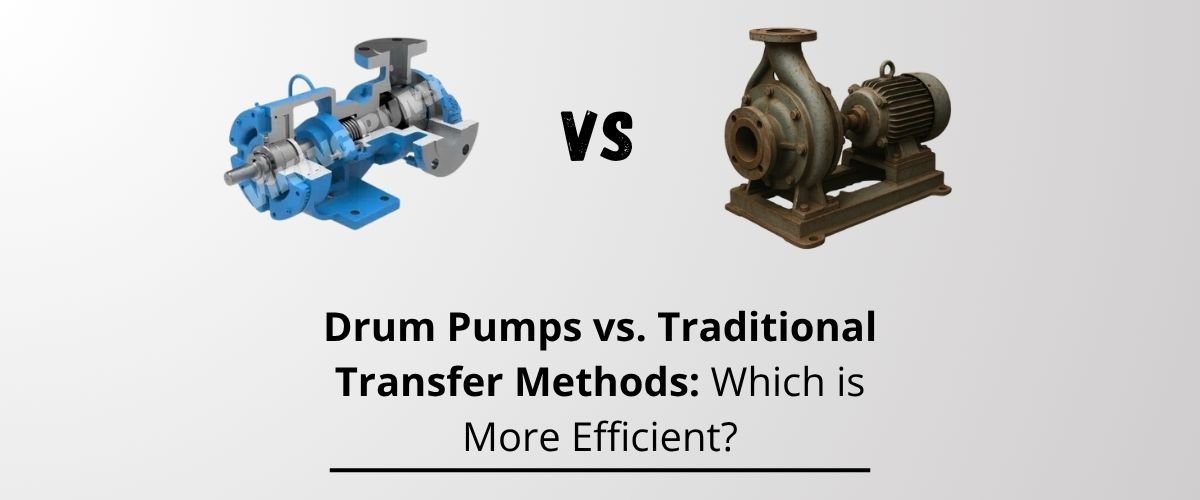
Drum Pumps vs. Traditional Transfer Methods: Which is More Efficient?

In industries ranging from chemicals to food processing, the safe and efficient transfer of liquids is a critical operation. Drums and barrels are widely used to store everything from lubricants and solvents to syrups and cleaning agents. However, the challenge arises when it comes to transferring these liquids into smaller containers, production lines, or equipment.

Traditionally, workers relied on manual methods such as tipping, siphoning, or scooping to extract fluids from drums. While these approaches are still in use today, the introduction of drum pumps has changed the game significantly. Drum pumps provide a safer, faster, and more controlled way of transferring liquids, reducing both labour intensity and risk of accidents.

This article compares drum pumps with traditional transfer methods to help determine which option is more efficient for modern industrial and commercial needs.

What Are Drum Pumps?

Drum pumps are specially designed devices that fit directly into standard drums or barrels, making it easier to extract liquids without heavy lifting or messy handling. They can be manually operated or powered by electricity or compressed air, depending on the requirements. 

Built from durable, chemical-resistant materials such as stainless steel, polypropylene, or PVDF, they are suitable for a wide variety of applications ranging from hazardous chemical transfer to food-grade liquid dispensing.

Key Features of Drum Pumps:

Compatibility: Designed to fit standard 55-gallon drums and other common barrel sizes.
Ease of Use: Operated manually (hand, lever, or rotary) or electrically/pneumatically powered.
Material Options: Constructed with chemical-resistant materials like stainless steel, polypropylene, or PVDF, depending on the liquid type.

Traditional Liquid Transfer Methods

Before drum pumps became widespread, industries depended on manual approaches for liquid transfer. Common practices included tipping the drum to pour contents out, using siphon hoses that rely on gravity, attaching spigots to drum openings, or even scooping with jugs or ladles.

While these methods are low-cost and straightforward, they come with inherent limitations. They are heavily dependent on manual effort, which increases the risk of workplace injuries. They also make it difficult to control flow rates, leading to spillage, wastage, and even contamination.

Key Features of Traditional Liquid Transfer Methods:

Manual Tipping: Tilting the drum to pour liquid into another container.
Siphoning: Using a hose and gravity to draw liquid out.
Scooping or Dipping: Extracting liquids with a ladle, jug, or similar tool.

What Makes Drum Pumps Different from Traditional Transfer Methods?

Drum pumps are specially designed devices that fit directly into standard drums or barrels, making it easier to extract liquids without heavy lifting or messy handling. They can be manually operated or powered by electricity or compressed air, depending on the requirements. Built from durable, chemical-resistant materials such as stainless steel, polypropylene, or PVDF, they are suitable for a wide variety of applications ranging from hazardous chemical transfer to food-grade liquid dispensing.

Unlike tipping or siphoning, which depend heavily on human effort, drum pumps are engineered for consistency. They provide a steady flow, minimise exposure to harmful substances, and eliminate much of the unpredictability that comes with traditional methods.

Comparing Drump Pumps with Traditional Liquid Methods

Transferring liquids from drums and barrels has always been a critical task in industries like chemicals, food processing, and manufacturing. While traditional methods such as tipping, siphoning, or scooping have been used for decades, they often come with challenges like spills, inefficiency, and safety risks. Drum pumps, on the other hand, provide a modern solution designed for speed, precision, and worker safety.

1. Efficiency and Speed

Drum Pumps:  Allow for quick transfer, often at rates of 5–30 gallons per minute, depending on the pump type.
Traditional Methods: Slower and highly dependent on manual effort and gravity.

2. Safety

Drum Pumps: Reduce risks of injuries, chemical exposure, and spills since there’s no need to lift or tip heavy drums.
Traditional Methods: Carry risks of back strain, accidental spills, and direct contact with hazardous substances.

3. Ease of Use

Drum Pumps: Simple to operate with minimal training. Motorised versions require just a push of a button.
Traditional Methods: Require physical effort and careful handling, making them less convenient.

4. Cost Considerations

Drum Pumps: Higher upfront investment but lower long-term costs due to reduced waste, accidents, and labour.
Traditional Methods: Minimal initial cost, but can lead to long-term losses from spills, product waste, and workplace injuries.

Which is More Efficient?

When comparing drum pumps with traditional transfer methods, the difference in efficiency is undeniable. Drum pumps are designed to deliver faster transfer rates, making them ideal for industries where time and productivity are critical. They also enhance workplace safety and ergonomics by eliminating the need to lift or tilt heavy drums, thereby reducing the risk of injuries and spills.

Another key advantage of drum pumps is the accuracy and control they provide. Unlike manual methods that often result in overfilling or wastage, drum pumps allow for precise flow regulation, ensuring consistency and reducing product loss. Over time, this accuracy translates into significant cost savings, making drum pumps not just efficient but also economically viable.

Traditional methods may still have a place in small-scale, low-risk operations where the transfer of liquids is infrequent or involves non-hazardous substances. However, for industries handling chemicals, oils, or large volumes of liquids daily, drum pumps are clearly the superior choice.

Is Drum Pump the smarter choice for modern business?

Drum pumps are not just more efficient; they represent a smarter, safer, and more sustainable option for modern businesses seeking to optimise operations while safeguarding both workers and resources.

Looking ahead, as industries embrace automation, digital monitoring, and stricter sustainability goals, drum pumps will only grow in relevance. They align perfectly with the future of smarter manufacturing and safer workplaces, making them not just a practical choice for today but a strategic advantage for tomorrow.

For any Drum pumps queries, contact us at +353 1 2750801 or +353 (0) 87 130 1029.