

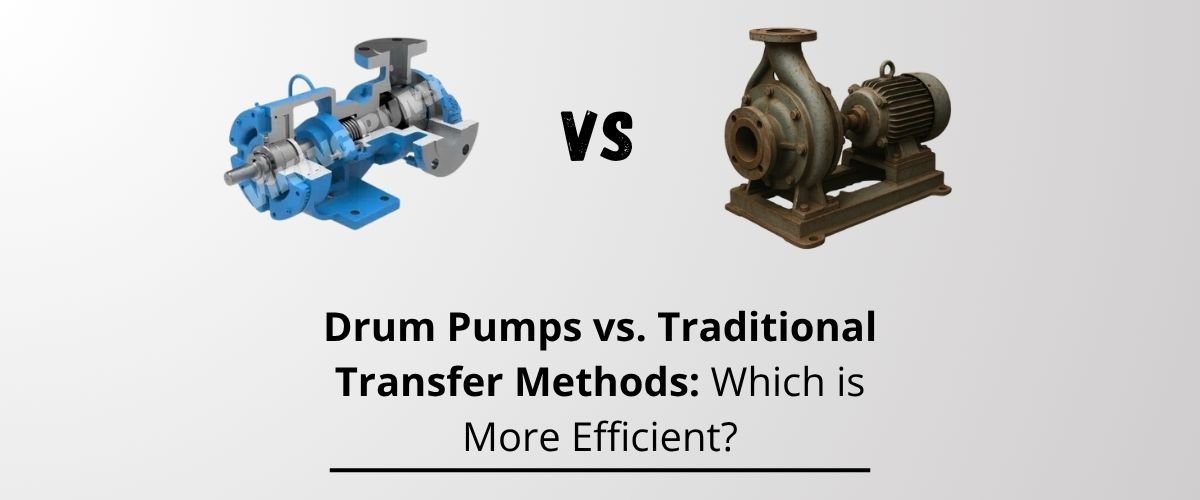
In industries ranging from chemicals to food processing, the safe and efficient transfer of liquids is a critical operation. Drums and barrels are widely used to store everything from lubricants and solvents to syrups and cleaning agents. However, the challenge arises when it comes to transferring these liquids into smaller containers, production lines, or equipment.
Traditionally, workers relied on manual methods such as tipping, siphoning, or scooping to extract fluids from drums. While these approaches are still in use today, the introduction of drum pumps has changed the game significantly. Drum pumps provide a safer, faster, and more controlled way of transferring liquids, reducing both labour intensity and risk of accidents.
This article compares drum pumps with traditional transfer methods to help determine which option is more efficient for modern industrial and commercial needs.
What Are Drum Pumps?
Drum pumps are specially designed devices that fit directly into standard drums or barrels, making it easier to extract liquids without heavy lifting or messy handling. They can be manually operated or powered by electricity or compressed air, depending on the requirements.
Built from durable, chemical-resistant materials such as stainless steel, polypropylene, or PVDF, they are suitable for a wide variety of applications ranging from hazardous chemical transfer to food-grade liquid dispensing.
Key Features of Drum Pumps:
Compatibility: Designed to fit standard 55-gallon drums and other common barrel sizes.
Ease of Use: Operated manually (hand, lever, or rotary) or electrically/pneumatically powered.
Material Options: Constructed with chemical-resistant materials like stainless steel, polypropylene, or PVDF, depending on the liquid type.
Traditional Liquid Transfer Methods
Before drum pumps became widespread, industries depended on manual approaches for liquid transfer. Common practices included tipping the drum to pour contents out, using siphon hoses that rely on gravity, attaching spigots to drum openings, or even scooping with jugs or ladles.
While these methods are low-cost and straightforward, they come with inherent limitations. They are heavily dependent on manual effort, which increases the risk of workplace injuries. They also make it difficult to control flow rates, leading to spillage, wastage, and even contamination.
Key Features of Traditional Liquid Transfer Methods:
Manual Tipping: Tilting the drum to pour liquid into another container.
Siphoning: Using a hose and gravity to draw liquid out.
Scooping or Dipping: Extracting liquids with a ladle, jug, or similar tool.
What Makes Drum Pumps Different from Traditional Transfer Methods?
Drum pumps are specially designed devices that fit directly into standard drums or barrels, making it easier to extract liquids without heavy lifting or messy handling. They can be manually operated or powered by electricity or compressed air, depending on the requirements. Built from durable, chemical-resistant materials such as stainless steel, polypropylene, or PVDF, they are suitable for a wide variety of applications ranging from hazardous chemical transfer to food-grade liquid dispensing.
Unlike tipping or siphoning, which depend heavily on human effort, drum pumps are engineered for consistency. They provide a steady flow, minimise exposure to harmful substances, and eliminate much of the unpredictability that comes with traditional methods.
Comparing Drump Pumps with Traditional Liquid Methods
Transferring liquids from drums and barrels has always been a critical task in industries like chemicals, food processing, and manufacturing. While traditional methods such as tipping, siphoning, or scooping have been used for decades, they often come with challenges like spills, inefficiency, and safety risks. Drum pumps, on the other hand, provide a modern solution designed for speed, precision, and worker safety.
1. Efficiency and Speed
Drum Pumps: Allow for quick transfer, often at rates of 5–30 gallons per minute, depending on the pump type.
Traditional Methods: Slower and highly dependent on manual effort and gravity.
2. Safety
Drum Pumps: Reduce risks of injuries, chemical exposure, and spills since there’s no need to lift or tip heavy drums.
Traditional Methods: Carry risks of back strain, accidental spills, and direct contact with hazardous substances.
3. Ease of Use
Drum Pumps: Simple to operate with minimal training. Motorised versions require just a push of a button.
Traditional Methods: Require physical effort and careful handling, making them less convenient.
4. Cost Considerations
Drum Pumps: Higher upfront investment but lower long-term costs due to reduced waste, accidents, and labour.
Traditional Methods: Minimal initial cost, but can lead to long-term losses from spills, product waste, and workplace injuries.
Which is More Efficient?
When comparing drum pumps with traditional transfer methods, the difference in efficiency is undeniable. Drum pumps are designed to deliver faster transfer rates, making them ideal for industries where time and productivity are critical. They also enhance workplace safety and ergonomics by eliminating the need to lift or tilt heavy drums, thereby reducing the risk of injuries and spills.
Another key advantage of drum pumps is the accuracy and control they provide. Unlike manual methods that often result in overfilling or wastage, drum pumps allow for precise flow regulation, ensuring consistency and reducing product loss. Over time, this accuracy translates into significant cost savings, making drum pumps not just efficient but also economically viable.
Traditional methods may still have a place in small-scale, low-risk operations where the transfer of liquids is infrequent or involves non-hazardous substances. However, for industries handling chemicals, oils, or large volumes of liquids daily, drum pumps are clearly the superior choice.
Is Drum Pump the smarter choice for modern business?
Drum pumps are not just more efficient; they represent a smarter, safer, and more sustainable option for modern businesses seeking to optimise operations while safeguarding both workers and resources.
Looking ahead, as industries embrace automation, digital monitoring, and stricter sustainability goals, drum pumps will only grow in relevance. They align perfectly with the future of smarter manufacturing and safer workplaces, making them not just a practical choice for today but a strategic advantage for tomorrow.
For any Drum pumps queries, contact us at +353 1 2750801 or +353 (0) 87 130 1029.
