

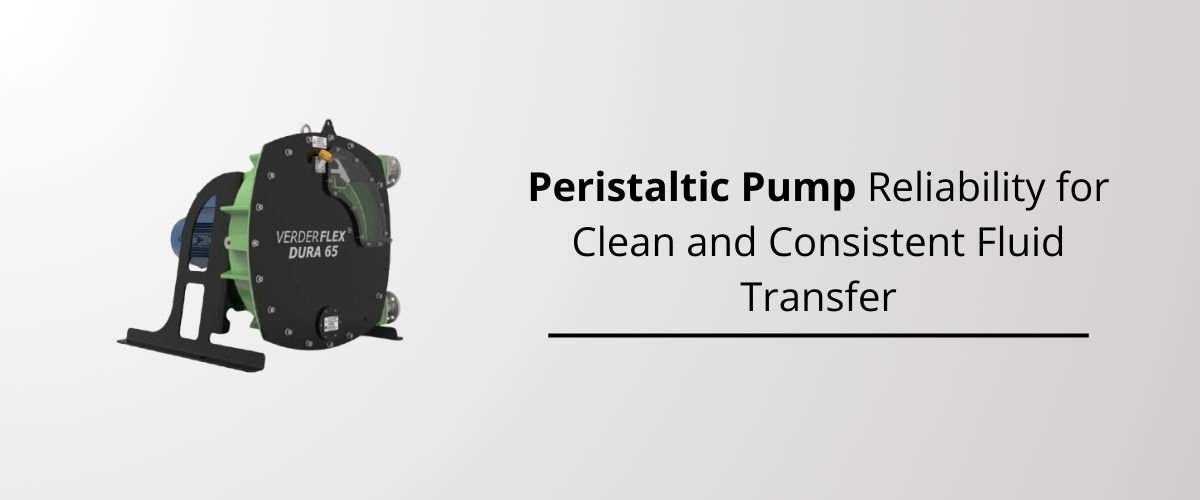
Peristaltic pumps have come to the forefront in diligence that demands clean, precise, and harmonious fluid transfer. From medicinals and biotechnology to food processing and chemical manufacturing, these pumps offer a unique combination of trustworthiness, hygiene, and versatility.
Unlike other pump types, peristaltic pumps move fluid without contact with internal mechanical factors, ensuring that the fluid remains unpolluted. In this composition, we will explore why peristaltic pumps are largely dependable, the factors that impact their performance, and stylish practices to maintain clean and harmonious fluid transfer across diligence.
What Makes Peristaltic Pumps Reliable
Peristaltic pumps operate on a simple principle: breakers or shoes compress flexible tubing to move fluid forward. This design offers several essential advantages, including minimal conservation due to a smaller moving corridor in contact with the fluid and the capability to handle a wide range of fluid types, from thick slurries to delicate, shear-sensitive liquids.
Also, this simple medium reduces mechanical complexity, which lowers conservation requirements and increases overall trustworthiness.
No Contamination: Since the fluid only contacts the tubing, there is minimal risk of contamination, making these pumps ideal for use in sterile or sensitive applications.
Self-Priming Ability: Peristaltic pumps can handle dry starts and can draw fluid from below the pump, increasing their versatility and adaptability to different setups.
Gentle Fluid Handling: The pumping action is smooth and gentle, reducing the risk of damaging shear-sensitive fluids such as cell cultures, proteins, or emulsions.
Reverse Flow Capability: Many peristaltic pumps can reverse flow without damage, allowing easy line cleaning or clearing without extensive downtime.
Applications Where Reliability Matters
Peristaltic pumps are used in applications where reliability and consistency are crucial. Their ability to maintain precise flow rates over long periods makes them ideal for processes where even small deviations can impact product quality.
Their design offers minimal maintenance due to fewer moving parts in contact with the fluid and can handle a wide range of fluid types, from viscous slurries to delicate, shear-sensitive liquids. Additionally, their consistent flow rates make them highly dependable for applications requiring precision. Below is the given application:
Pharmaceutical and Biotech Industries: Used for dosing medications, transferring sterile solutions, and handling cell cultures. Accuracy and sterility are non-negotiable.
Food and Beverage Processing: Ideal for pumping dairy, juices, sauces, and other consumables without contamination or degradation of the product.
Chemical Manufacturing: Can handle aggressive chemicals and viscous slurries while maintaining controlled dosing rates.
Water and Wastewater Treatment: Ensures precise chemical dosing and transfer even with challenging fluid compositions.
In all these industries, reliability is directly tied to process efficiency, product quality, and safety.
Factors That Ensure Reliable Fluid Transfer
Even though peristaltic pumps are inherently reliable, several factors determine their performance consistency. Choosing the right tubing material, for instance, ensures chemical compatibility, durability, and hygiene, which directly affects pump longevity.
The pump’s design, including roller configuration and tension, influences how smoothly and accurately the fluid is delivered. Selecting the correct tubing material is equally critical, as it is the only component in direct contact with the fluid. The right material ensures chemical compatibility, durability, and prevents contamination, which in turn maintains consistent fluid transfer and pump reliability.
1. Tubing Material Selection
The tubing is the only part in contact with the fluid. Choosing the correct material is crucial for chemical compatibility, durability, and contamination prevention. Common materials include:
– Silicone: Ideal for pharmaceuticals and food-grade applications.
– EPDM: Resistant to a wide range of chemicals and moderate temperatures.
– PTFE: Highly chemical-resistant and suitable for aggressive fluids.
– Selecting the right tubing ensures long-term reliability and prevents premature failures.
2. Pump Design and Roller Configuration
The design of a peristaltic pump and the configuration of its rollers are critical factors that directly impact its efficiency, lifespan, and performance. At its core, a peristaltic pump consists of flexible tubing through which fluid is moved by rollers or shoes that compress and release the tube in a precise sequence.
The number and design of rollers affect both the smoothness of flow and the lifespan of the tubing:
– Multi-roller designs provide smoother flow with less pulsation.
– Proper roller tension ensures consistent compression without excessive wear.
– These design considerations directly impact accuracy and repeatability in fluid transfer.
3. Operating Conditions
Pump reliability depends on adhering to recommended speed, pressure, and temperature limits. Overloading or running the pump outside its specifications can cause tubing fatigue, overheating, or motor strain. Consistent monitoring and proper operation prolong pump life and maintain fluid consistency.
Recommended Speed: Operate the pump within the manufacturer’s specified speed range to prevent excessive wear on tubing and rollers.
Pressure Limits: Avoid exceeding the maximum pressure rating to prevent tube rupture and reduce stress on pump components.
Temperature Range: Ensure the fluid and ambient temperature remain within the pump’s operational limits to avoid material degradation.
Regular Monitoring: Check pump performance regularly, including flow rate, pressure, and motor load, to detect issues early.
4. Maintenance Practices
Preventive maintenance is essential for long-term reliability. It is essential for long-term reliability. Regular inspection and timely replacement of worn tubing, rollers, and other components help prevent unexpected failures.
Keeping the pump clean and properly lubricated ensures smooth operation, while routine checks on alignment, tension, and connections extend the pump’s lifespan and maintain consistent fluid flow.
– Regular tubing inspection and replacement prevent leaks and flow inconsistencies.
– Checking rollers and mounts ensures smooth operation and reduces unexpected downtime.
Advantages of Peristaltic Pumps in Clean Environments
Peristaltic pumps are especially valuable in industries that demand strict hygiene standards. Because the fluid only contacts the tubing, the risk of contamination is minimal, making them ideal for pharmaceuticals, food processing, and biotechnology. Additionally, their easy-to-clean design and quick tubing replacement further support sterile and contamination-free operations.
Closed Fluid Path: The fluid never contacts pump internals, minimising contamination risk.
Easy Sterilisation: Tubing can be sterilised or replaced without disassembling the pump.
No Valves or Seals in Contact: Reduces the chance of leaks or cross-contamination.
Consistent Dosing: Highly controlled and repeatable flow ensures product quality and reliability.
Reliable, Clean, and Precise Fluid Transfer
Peristaltic pumps are trusted across industries because they provide reliable, clean, and precise fluid transfer. Their design, where the fluid only contacts the tubing, ensures minimal contamination risk, while the gentle pumping action maintains product integrity.
By carefully selecting tubing materials, maintaining proper operating conditions, and following preventive maintenance protocols, operators can achieve long-lasting, consistent performance. Whether in pharmaceuticals, food processing, chemical manufacturing, or water treatment, peristaltic pumps offer a dependable solution for clean and accurate fluid handling.
For any query related to the Peristaltic pump, contact us here
– Alert Building, IDA Business Park, Southern Cross Road, Bray, Co.Wicklow, A98 NY65, Ireland
– +353 1 2750801
– +353 (0) 87 130 1029
– info@thomsonprocess.ie