Peristaltic Pump Reliability for Clean and Consistent Fluid Transfer

Peristaltic pumps have come to the forefront in diligence that demands clean, precise, and harmonious fluid transfer. From medicinals and biotechnology to food processing and chemical manufacturing, these pumps offer a unique combination of trustworthiness, hygiene, and versatility.

Unlike other pump types, peristaltic pumps move fluid without contact with internal mechanical factors, ensuring that the fluid remains unpolluted. In this composition, we will explore why peristaltic pumps are largely dependable, the factors that impact their performance, and stylish practices to maintain clean and harmonious fluid transfer across diligence.

What Makes Peristaltic Pumps Reliable

Peristaltic pumps operate on a simple principle: breakers or shoes compress flexible tubing to move fluid forward. This design offers several essential advantages, including minimal conservation due to a smaller moving corridor in contact with the fluid and the capability to handle a wide range of fluid types, from thick slurries to delicate, shear-sensitive liquids.

Also, this simple medium reduces mechanical complexity, which lowers conservation requirements and increases overall trustworthiness.

No Contamination: Since the fluid only contacts the tubing, there is minimal risk of contamination, making these pumps ideal for use in sterile or sensitive applications.

Self-Priming Ability: Peristaltic pumps can handle dry starts and can draw fluid from below the pump, increasing their versatility and adaptability to different setups.

Gentle Fluid Handling: The pumping action is smooth and gentle, reducing the risk of damaging shear-sensitive fluids such as cell cultures, proteins, or emulsions.

Reverse Flow Capability: Many peristaltic pumps can reverse flow without damage, allowing easy line cleaning or clearing without extensive downtime.

Applications Where Reliability Matters

Peristaltic pumps are used in applications where reliability and consistency are crucial. Their ability to maintain precise flow rates over long periods makes them ideal for processes where even small deviations can impact product quality.

Their design offers minimal maintenance due to fewer moving parts in contact with the fluid and can handle a wide range of fluid types, from viscous slurries to delicate, shear-sensitive liquids. Additionally, their consistent flow rates make them highly dependable for applications requiring precision. Below is the given application:

Pharmaceutical and Biotech Industries: Used for dosing medications, transferring sterile solutions, and handling cell cultures. Accuracy and sterility are non-negotiable.

Food and Beverage Processing: Ideal for pumping dairy, juices, sauces, and other consumables without contamination or degradation of the product.

Chemical Manufacturing: Can handle aggressive chemicals and viscous slurries while maintaining controlled dosing rates.

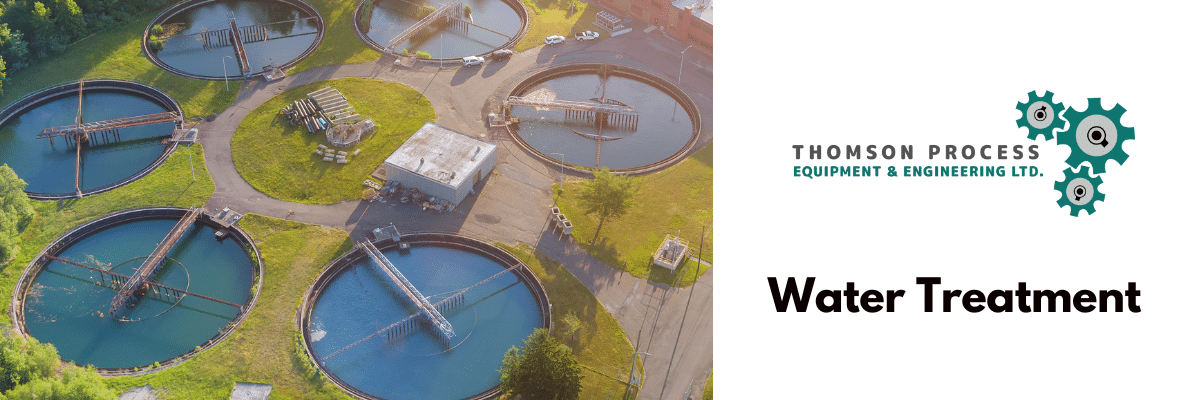
Water and Wastewater Treatment: Ensures precise chemical dosing and transfer even with challenging fluid compositions.

In all these industries, reliability is directly tied to process efficiency, product quality, and safety.

Factors That Ensure Reliable Fluid Transfer

Even though peristaltic pumps are inherently reliable, several factors determine their performance consistency. Choosing the right tubing material, for instance, ensures chemical compatibility, durability, and hygiene, which directly affects pump longevity.

The pump’s design, including roller configuration and tension, influences how smoothly and accurately the fluid is delivered. Selecting the correct tubing material is equally critical, as it is the only component in direct contact with the fluid. The right material ensures chemical compatibility, durability, and prevents contamination, which in turn maintains consistent fluid transfer and pump reliability.

1. Tubing Material Selection

The tubing is the only part in contact with the fluid. Choosing the correct material is crucial for chemical compatibility, durability, and contamination prevention. Common materials include:

– Silicone: Ideal for pharmaceuticals and food-grade applications.
– EPDM: Resistant to a wide range of chemicals and moderate temperatures.
– PTFE: Highly chemical-resistant and suitable for aggressive fluids.
– Selecting the right tubing ensures long-term reliability and prevents premature failures.

2. Pump Design and Roller Configuration

The design of a peristaltic pump and the configuration of its rollers are critical factors that directly impact its efficiency, lifespan, and performance. At its core, a peristaltic pump consists of flexible tubing through which fluid is moved by rollers or shoes that compress and release the tube in a precise sequence.

The number and design of rollers affect both the smoothness of flow and the lifespan of the tubing:

– Multi-roller designs provide smoother flow with less pulsation.
– Proper roller tension ensures consistent compression without excessive wear.
– These design considerations directly impact accuracy and repeatability in fluid transfer.

3. Operating Conditions

Pump reliability depends on adhering to recommended speed, pressure, and temperature limits. Overloading or running the pump outside its specifications can cause tubing fatigue, overheating, or motor strain. Consistent monitoring and proper operation prolong pump life and maintain fluid consistency.

Recommended Speed: Operate the pump within the manufacturer’s specified speed range to prevent excessive wear on tubing and rollers.

Pressure Limits: Avoid exceeding the maximum pressure rating to prevent tube rupture and reduce stress on pump components.

Temperature Range: Ensure the fluid and ambient temperature remain within the pump’s operational limits to avoid material degradation.

Regular Monitoring: Check pump performance regularly, including flow rate, pressure, and motor load, to detect issues early.

4. Maintenance Practices

Preventive maintenance is essential for long-term reliability. It is essential for long-term reliability. Regular inspection and timely replacement of worn tubing, rollers, and other components help prevent unexpected failures.

Keeping the pump clean and properly lubricated ensures smooth operation, while routine checks on alignment, tension, and connections extend the pump’s lifespan and maintain consistent fluid flow.

– Regular tubing inspection and replacement prevent leaks and flow inconsistencies.
– Checking rollers and mounts ensures smooth operation and reduces unexpected downtime.

Advantages of Peristaltic Pumps in Clean Environments

Peristaltic pumps are especially valuable in industries that demand strict hygiene standards. Because the fluid only contacts the tubing, the risk of contamination is minimal, making them ideal for pharmaceuticals, food processing, and biotechnology. Additionally, their easy-to-clean design and quick tubing replacement further support sterile and contamination-free operations.

Closed Fluid Path: The fluid never contacts pump internals, minimising contamination risk.
Easy Sterilisation: Tubing can be sterilised or replaced without disassembling the pump.
No Valves or Seals in Contact: Reduces the chance of leaks or cross-contamination.
Consistent Dosing: Highly controlled and repeatable flow ensures product quality and reliability.

Reliable, Clean, and Precise Fluid Transfer

Peristaltic pumps are trusted across industries because they provide reliable, clean, and precise fluid transfer. Their design, where the fluid only contacts the tubing, ensures minimal contamination risk, while the gentle pumping action maintains product integrity.

By carefully selecting tubing materials, maintaining proper operating conditions, and following preventive maintenance protocols, operators can achieve long-lasting, consistent performance. Whether in pharmaceuticals, food processing, chemical manufacturing, or water treatment, peristaltic pumps offer a dependable solution for clean and accurate fluid handling.

For any query related to the Peristaltic pump, contact us here

– Alert Building, IDA Business Park, Southern Cross Road, Bray, Co.Wicklow, A98 NY65, Ireland
– +353 1 2750801
– +353 (0) 87 130 1029
– info@thomsonprocess.ie
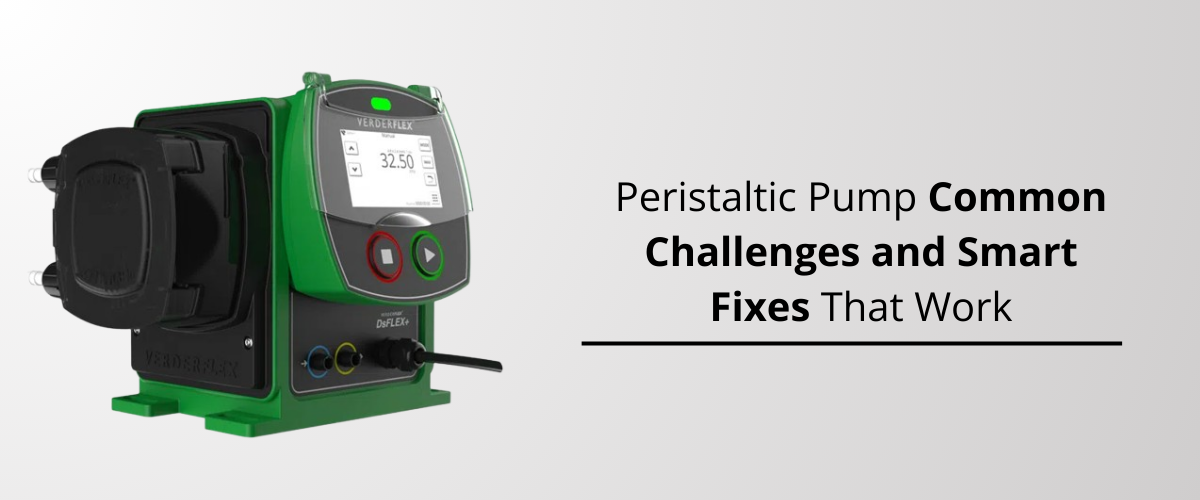
Peristaltic Pumps Common Challenges and Smart Fixes That Work

Peristaltic pumps are widely used in various industries, including pharmaceuticals, food and beverage, chemical processing, and water treatment. They are valued for their clean operation, accurate dosing, and ability to handle abrasive or viscous fluids.

Yet, like any equipment, peristaltic pumps are not without issues. Hose wear, leakage, inconsistent flow, or overheating can significantly reduce performance if not properly addressed. The good news is that most of these challenges have simple solutions.

Let’s take a closer look at the most common problems and the smart fixes that keep peristaltic pumps running efficiently.

1. Hose Wear and Tear


Why it Happens

The hose is the heart of a peristaltic pump. Since rollers compress the tubing repeatedly to move fluid, the hose is under constant stress. Over time, this leads to cracks, leaks, or reduced pumping efficiency. Over weeks or months of continuous operation, the hose can begin to flatten, harden, or develop micro-cracks.

If ignored, this wear can result in leaks, contamination of fluids, or a noticeable drop in pumping efficiency. The problem usually shows up faster when the pump is running dry, when abrasive particles are present in the liquid.

How to Fix It

– Choose tubing materials that match your fluid and application.
– Avoid running the pump dry, which accelerates wear.
– Inspect hoses regularly and replace them on a set schedule.
– Proactive hose replacement costs less than dealing with unplanned downtime.
– Keeping a few spare hoses on hand and rotating them in service can extend the overall lifespan of the pump.

2. Inconsistent Flow and Pulsation


Why it Happens

Peristaltic pumps naturally produce pulsed flow. While fine in many cases, dosing or laboratory applications may require smoother, more consistent delivery. But in industries where precise dosing, analytical testing, or laboratory research is involved, pulsation can cause inconsistent delivery or inaccurate measurements. Even small variations in flow can lead to wasted material or flawed results.

How to Fix It

– Use a pulse dampener to reduce flow variation.
– Consider pumps with multi-roller designs for greater precision.
– Replace tubing that has lost elasticity, as it increases pulsation.
– Use flow sensors in critical dosing applications to maintain accuracy.

3. Overheating During Operation


Why it Happens

Running a pump at high speeds or under heavy loads for long periods can generate heat. This affects both the motor and tubing, reducing efficiency. Overheating reduces efficiency, shortens hose life, and may cause motor failure. Another common cause is excessive pressure buildup inside the hose, which can force fluid past seals or fittings.

Poor ventilation around the pump or placing it in a confined space can also trap heat, making it difficult for the system to cool naturally. In some cases, using tubing that isn’t designed for high-temperature applications accelerates wear and raises operating temperatures even further.

How to Fix It

– Operate within the manufacturer’s recommended limits.
– Schedule cooling breaks during continuous operation.
– Invest in pumps with thermal protection systems.

4. Leakage and Spillage


Why it Happens

Leaks often happen due to worn hoses, poor fittings, or tubing material that isn’t compatible with the chemical being pumped. For industries like food or pharma, even a small leak is a serious issue. Even minor leaks are serious in food, pharma, or chemical environments. Another common cause is excessive pressure buildup inside the hose, which can force fluid past seals or fittings.

How to Fix It

– Match tubing material to the fluid type.
– Tighten and inspect fittings regularly.
– Install leak detection systems for early warnings.
– Use secondary containment trays in sensitive areas to minimise risks.

5. Reduced Pumping Efficiency


Why it Happens

A pump that once delivered accurate flow may start to underperform. This is usually caused by hose fatigue, misaligned rotors, or incorrect speed settings. In some cases, efficiency drops gradually, making it harder for operators to notice until production quality is affected.

How to Fix It

– Recalibrate pump settings regularly.
– Replace worn hoses promptly.
– Ensure the pump is installed on a stable, vibration-free surface.
– Track performance trends over time to spot early warning signs.

6. Excessive Noise and Vibration


Why it Happens

Peristaltic pumps are generally quieter than other positive displacement pumps. However, worn rollers, misaligned tubing, or loose mounts can cause unnecessary noise and vibration. If ignored, this extra vibration may shorten the lifespan of nearby components as well.

How to Fix It

– Replace rollers showing uneven wear.
– Install tubing correctly with the right tension.
– Use vibration-dampening mounts in sensitive environments.
– Check the pump’s foundation and tighten mounting bolts periodically.

7. Compatibility with Harsh Fluids


Why it Happens

Not all tubing is built for aggressive chemicals or abrasive slurries. Using the wrong type can lead to rapid degradation. In severe cases, this can cause safety hazards or contamination of critical processes. When this happens, the pump not only loses efficiency but also risks leaks and contamination. In industries like pharmaceuticals or water treatment, this can result in costly rework or compliance issues.

How to Fix It

– Consult a chemical compatibility chart when selecting tubing.
– Test new fluids on a small scale before full use.
– Choose reinforced or speciality hoses for difficult applications.
– Work with suppliers to find application-specific tubing grades.

8. Startup Problems and Airlocks


Why it Happens

Sometimes pumps fail to prime due to trapped air or improper hose setup. This is especially common when the pump is restarted after long idle periods or when handling low-viscosity fluids. This issue is more common when suction lines are long, when fluids have low viscosity, or when the pump has been idle for extended periods. Left unresolved, frequent airlocks can reduce the pump’s overall reliability.

How to Fix it

– Use self-priming models when frequent restarts are expected.
– Keep suction lines as short and direct as possible.
– Manually prime the pump before operation.
– Tilt the pump head slightly to allow air to escape.

9. Clogging and Blockages


Why it Happens

Viscous fluids or suspended solids may clog tubing, reducing flow. If blockages aren’t cleared quickly, pressure buildup can damage the tubing, cause overheating, or even stop the pump entirely.

If blockages aren’t cleared quickly, pressure buildup can damage the tubing, cause overheating, or even stop the pump entirely. This is especially challenging in food, paint, or wastewater applications where thicker materials are common.

How to Fix It

– Flush tubing with clean water after every use.
– Use wider bore hoses for fluids with solids.
– Install strainers or filters upstream to catch debris.
– Schedule regular cleaning cycles to prevent buildup in heavy-duty applications.

10. Maintenance Costs and Downtime


Why it Happens

Unplanned breakdowns increase costs and reduce productivity. Pumps that are not maintained properly often fail sooner. Skipping routine checks, using the wrong tubing size, or ignoring warning signals often leads to preventable downtime. Human error is one of the most underestimated causes of pump problems.

How to Fix It

– Follow a preventive maintenance schedule instead of waiting for issues.
– Keep spare hoses, rollers, and fittings in stock.
– Train staff on proper operation and cleaning practices.

Keep Pumps Reliable with Preventive Care


Peristaltic pumps are trusted for their reliability, precision, and ability to handle challenging fluids. But like any equipment, they require ongoing care.

By addressing hose wear, pulsation, leaks, and other common problems through preventive maintenance and smart fixes, businesses can:

– Reduce downtime
– Extend pump lifespan
– Improve accuracy and efficiency

With the right approach, peristaltic pumps are not just reliable tools; they are long-term assets that keep critical processes running smoothly across industries. By selecting the right materials, monitoring performance, and following best practices, operators can turn potential problems into opportunities for improvement. With these smart fixes, peristaltic pumps remain one of the most dependable pumping solutions in industries worldwide.

Looking for a peristaltic pumps or any other industrial pumps? Contact Thomson Process today to discuss your requirements and find the ideal pump solution for your application.

Handle With Care – Why Leak-Free Pumps Are a Must for Hazardous Chemicals

Toxic. Corrosive. Volatile. Hazardous chemicals are industrial workhorses—but they’re also accidents waiting to happen if not handled correctly. From fertilisers to pharmaceuticals, solvents to sanitising agents, these substances demand respect—and more importantly, proper equipment.

The stakes? Sky-high. A leak doesn’t just mean a mess—it means health hazards, environmental exposure, and compliance nightmares. One wrong move with hydrofluoric acid, for example, and you’re looking at irreversible tissue damage. Not ideal.

Traditional pumps with mechanical seals struggle under the pressure. Seals wear out. Fluids escape. Vapours leak. Maintenance is a constant battle. And in ATEX environments, that’s a risk you simply can’t take.

Enter sealless and barrier-equipped pump technologies. From peristaltic hose pumps to mag drive centrifugal pumps and solid PTFE diaphragm pumps, these systems are built to contain even the nastiest chemicals. No shaft seals. No emissions. No compromise.

Take the peristaltic pump: the fluid stays inside the hose, never touching metal or moving parts. Or mag drive pumps, where magnetic coupling keeps the chamber sealed tight—ideal for solvents and thin fluids. For aggressive media and extreme environments, solid block PTFE diaphragm pumps offer unmatched resistance and total containment—even in ATEX zones.

Still need a seal? Go double or go home. Barrier chambers with sensor-triggered alarms catch failures before they escalate, and draining systems help you avoid cross-contamination between batches.

Of course, it’s not one-pump-fits-all. For viscous resins or solids in suspension, positive displacement pumps like progressing cavity or hose pumps may be the smarter option. But when safety, integrity, and downtime are non-negotiable, leak-proof tech is the only way forward.

No leaks. No exposure. No excuses.

Want to dive deeper? Our trusted supplier Verder has compiled a comprehensive guide comparing pump types, materials, and system design for hazardous chemicals. It covers everything from fluid compatibility to fail-safe maintenance protocols.

➡️ Download the white paper here.

Thomson Process engineers can help you find the right pump for the job—without the guesswork.
Let’s talk.

📧 Email: info@thomsonprocess.ie
📞 Phone: +353 1 2750801

Hose vs Helix – The Real Cost of Choosing the Wrong Pump

Progressive cavity (PC) pumps and peristaltic hose pumps might both fall under the positive displacement (PD) banner, but under the hood, they couldn’t be more different. And when you’re handling abrasive, corrosive or shear-sensitive fluids, those differences can mean the gap between smooth production—and costly failure.

Let’s break it down.

Battle of the Build
PC pumps rely on a metal rotor turning inside a rubber stator. This tight, twisting helix forms progressive cavities that push fluid along in a smooth, near-pulsation-free stream. Ideal for viscous, delicate, or chunky fluids like fruit pulp or sludge.

Peristaltic pumps, on the other hand, work more like a giant set of fingers squeezing a hose. Fluid is drawn into the tube, trapped between rollers or shoes, and pushed out the other side—without ever touching anything but the hose itself.

Both pumps are PDs. But only one is truly positive displacement: the peristaltic. With a sealed hose cavity and zero backflow, what goes in comes out—at 99.99% volumetric efficiency.

Abrasives and Corrosives: Who Wears It Better?
PC pumps don’t love abrasive slurries. While hard chrome stators can slow wear, they won’t stop it. Lime slurries and fruit juices chew through stators like termites in a timber yard. And once the rotor/stator seal wears? Efficiency tanks and replacement costs skyrocket.

Peristaltic pumps, built with natural rubber hoses and no internal contact points, can shrug off solids—up to 15% of the hose diameter in some cases. And when the hose wears? Swap it out in minutes, no drama.

As for corrosives, it’s all about materials. PC pumps rely on mechanical seals, stators, and rotors—lots of places for aggressive chemicals to cause mischief. A hose pump’s only wetted part is the hose itself. No contact, no corrosion, no compromise.

Dry Running & Product Shear – The Silent Killers
PC pumps hate dry running. Without fluid as a lubricant and coolant, the rotor and stator overheat and fail—fast. Even partial dry-run or cavitation can cause a stator to burn, requiring full strip-downs and part replacements. Peristaltic pumps? They can run dry all day without blinking.

For shear-sensitive products—think flocculants, live cultures or even small aquatic life—both pumps offer gentle handling. But the peristaltic pump delivers smoother, more consistent dosing without degradation, and without risking polymer breakdown or clumping.

Servicing: One’s an Operation, the Other’s a Plaster
Replace a stator on a PC pump, and you’re into hours of skilled labour, specialist tools, and costs that could run to 70% of the original pump price. And that’s assuming nothing else got chewed up in the process.

Peristaltic pumps? Swap the hose. Done. On-site, no tools, no technician required.

Still Not Convinced? Let’s Talk Numbers.
Take a standard lime dosing setup:

  • Initial cost: PC pump €2,500. Hose pump €5,500.
  • Annual maintenance: PC pump €8,400. Hose pump €1,950.
  • Payback period: just 10 months.
  • Five-year savings: €32,250. That’s over 1000% ROI.

Yes, the hose pump costs more up front. But it pays for itself and then some—saving money, downtime, and a whole lot of headaches.

So which pump wins?
If you need higher flow and pressure, and the fluid’s clean and well-behaved, a PC pump might suit just fine. But when you’re dosing lime, handling sludge, or dealing with nasty, unpredictable mixes—hose pumps steal the show.

Low maintenance. High accuracy. Virtually indestructible. That’s the power of peristaltic.

Dig deeper.
Want a full breakdown of flow rates, wear factors, pressure loss, and service intervals? Verder’s in-depth white paper walks you through every detail. Essential reading if you’re serious about reducing total cost of ownership.

➡️ Download the white paper here.

Thomson Process engineers can help you find the right pump for the job—without the guesswork.
Let’s talk.

📧 Email: info@thomsonprocess.ie
📞 Phone: +353 1 2750801

Cut the Contamination – Why Single-Use Tubing Is Changing the Game

In biotech, pharma, food and chemical production, cleaning takes up a shocking amount of time and budget. Why? Because failure isn’t an option. Cross-contamination can lead to product recalls, compliance issues, and significant production downtime.

Traditional cleaning processes require detailed documentation, heavy use of chemicals, and costly delays. Even then, there’s no guarantee that residues are fully removed—posing a serious risk to product quality and regulatory compliance.

Enter single-use tubing. Used once and then discarded, this approach offers a validated, sterile fluid path every time. It’s an ideal solution for low-flow, high-purity applications like dosing and metering. No more flushing, no more guesswork—just click, replace, and go.

Paired with a peristaltic pump, single-use tubing eliminates the need for complex cleaning cycles, reduces energy and water usage, and slashes maintenance costs. And since spallation (the release of hose particles into the fluid) is minimal with high-quality tubing, product integrity remains uncompromised.

Of course, it’s not one-size-fits-all. For high-flow or high-viscosity transfers, a CIP-ready pump—like a twin screw or lobe pump—might be the better fit. But when speed, sterility, and batch changeovers are key, single-use tubing stands out.

No cleaning. No contamination. No problem.


Dig deeper.
Want to see the full technical comparison of pump types and cleaning strategies? Our trusted supplier Verder has put together a comprehensive white paper covering flow rates, pressure ratings, contamination risks, and system design considerations. It’s well worth a look.

➡️ Download the white paper here.

Thomson Process will help you find the right pump for your hygienic fluid handling needs.

Contact us today and talk with an expert engineer for more information on how the Sterilobe Series pump can enhance your operations and ensure the effectiveness of your process.

Email: info@thomsonprocess.ie

 Phone: +353 1 2750801

Why Pumps Matter In Water Treatment

Understanding Water Treatment Pumps

Water treatment processes differ significantly from simple filtration systems to complex industrial wastewater treatment. Each process’s unique demands must be considered when specifying the pump. For instance, Sampling pumps are essential for water quality management, precisely collecting samples for testing to ensure safety and standards are met throughout treatment stages, Centrifugal pumps are commonly used handling large water volumes, while positive displacement pumps are ideal for dosing applications and handling thicker fluids and sludges.

Selecting the Right Pump for Your Water Treatment Needs

When choosing a pump for water treatment, consider factors like flow rate, pressure requirements, the nature of the fluid being pumped, and the environmental conditions. Factors such as energy efficiency, ease of maintenance, longevity, reliability and cost are important. Look for pumps that offer proven technology, strong construction, and reliable performance.

Choosing the right pump for water treatment is important because they control the flow through the system, securing the efficient and effective treatment of water. Here are some key reasons why selecting the right pump is essential:

  1. Optimal Performance: The right pump ensures a reliable flow rate is maintained so that water treatment processes are carried out steadily and efficiently.
  2. Reliability and Durability: Water treatment facilities often operate continuously, making reliability and durability crucial factors.
  3. Cost-effectiveness: An efficient pump can significantly reduce energy consumption, resulting in lower operational costs. A reliable and long lasting pump requires less maintenance and repair, increasing the return on investment significantly.
  4. Compliance with Regulations: Water treatment processes are subject to strict regulations to ensure the safety and quality of the treated water. The right pump will contribute to ensuring your water treatment process can meet the stringent standards.
  5. Process Optimization: Different water treatment processes may require specific pump characteristics. By selecting the right pump, the efficiency and effectiveness of these processes can be optimised.

It is crucial to consider the specific requirements of the water treatment facility and select a pump that is designed to meet those needs. By doing so, the water treatment process can be carried out efficiently, ensuring the delivery of safe and high-quality treated water.

Why Choose Thomson Process Water Treatment Pumps 

Our range of water treatment pumps meet the needs of the water treatment industry. We supply simple water pumps to specialised pumps capable of handling aggressive or abrasive chemicals. Thomson Process have pumps that are efficient and durable. With the support of our expert team we can guide you in selecting the right pump for your specific water treatment application that will deliver the flow rates you require consistently.

Our team of expert engineers is here to support you with regular maintenance.

The water treatment systems are heavily dependent on the consistent performance of the pump systems. Regular maintenance, including routine inspections, timely repairs, and equipment upgrades, is essential. This approach prevents breakdowns, ensuring the longevity and reliability of your system. We can also advise you on maintenance. We provide a local pump repair service.

Investing in the right water treatment pump is crucial for the success of your water management system.  Thomson Process have a diverse range of high-quality pumps, expertise in the field, and commitment to finding the right pump solution for you.

Thomson Process will help you to find the right pump for your water treatment solution.

Contact us today and talk with an expert engineer about your specific needs of your application and take a step towards ensuring the effectiveness of your water treatment system.

Email: alangreen@thomsonprocess.ie

Phone: +353 1 2750801